
https://pixabay.com/photos/kung-fu-fighting-martial-arts-mma-2198043/
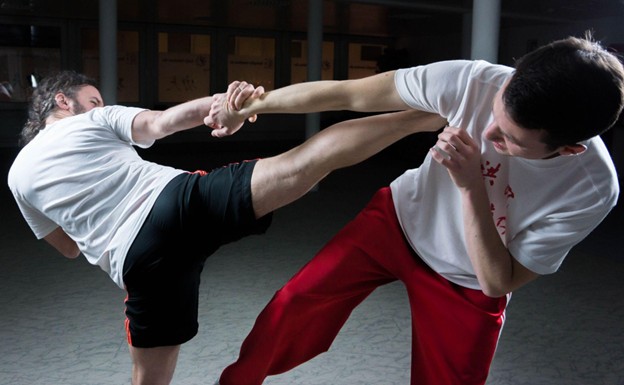
Sparring is brutal on the body.
Whether you train MMA, boxing, Muay Thai, or BJJ — every tough workout leaves you with achy joints, stiff muscles, and sore ligaments. Recovery is one of the most common areas where fighters go wrong. Your training doesn’t surpass your recovery. If you aren’t recovering quickly, you cannot train hard each day.
That’s where modern wellness products come in.
The cannabinoid market has boomed in recent years, with combat athletes even exploring options like THCa to help with sleep, soreness, and inflammation. Top shelf THCa gummies are emerging as a serious option in the recovery arsenal. For fighters looking to choose THCa gummies that suit a fighter’s lifestyle, it’s important to know how to spot the good stuff from the rest — potency, lab testing, and clean ingredients are all important.
Here’s how to pick the right ones…
What you’ll discover:
- Why Recovery Is The Real Game-Changer
- What Combat Athletes Should Be Looking For
- The Rise Of THCa In The Recovery World
- Red Flags To Avoid When Buying Wellness Products
Why Recovery Is The Real Game-Changer
Combat sports are no joke.
Researchers determined that Olympic combat athletes suffered approximately one injury for every 2.1 hours of competition. Crazy! Combat athletes take a beating training for competition as well.
Why does this matter? Because if you don’t recover, little pains become big issues.
Here’s the thing:
Fighters are typically 100% focused on training. But the guys who stick around understand recovery is 50% of the game. Sleep, nutrition, mobility work. And these days, modern wellness supplements.
When you spar, your body takes:
- Repeated blunt force impact
- Joint strain from grappling and submissions
- Microtears in muscle tissue
- Inflammation across the entire body
- Mental fatigue from constant focus
Time for everything to heal properly. Research agrees with this sentiment — One large scale epidemiological study showed MMA has a rate of around 40 injuries per 100 fight participations. Boxing only comes in at about 25 injuries per 100 fights.
So what can you do about it?
What Combat Athletes Should Be Looking For
Not all wellness products are created equal.
Shelves are overflowing with gimmicky gummies, oils and powders that claim to do everything. They mostly don’t work. Combat athletes should look for products that have a real impact on recovery.
Here’s what to look for:
Lab Testing & Transparency
This is non-negotiable.
If there are no 3rd party lab results (aka Certificate of Analysis) for a product, do NOT buy it. Full stop. You have got to know what you are putting into your body. This is even more important if you compete in tested organizations.
A good lab report will show you:
- Cannabinoid potency
- Pesticide screening
- Heavy metal testing
- Microbial contamination results
If a brand can’t show you this… Run.
Clean Ingredient Lists
Fighters have to be mindful of what they put into their bodies. Most health supplements contain:
- Artificial dyes
- Corn syrup
- Random fillers
- Banned substances (in some cases)
The cleaner the ingredient list, the better. Look for natural sweeteners and minimal additives.
Targeted Recovery Benefits
You want products that hit the three biggest recovery needs:
- Pain & soreness reduction
- Inflammation control
- Sleep quality
That last one is MASSIVE. Sleep is when your body physically rebuilds itself. If a wellness product doesn’t improve your sleep you are only getting half the benefits.
The Rise Of THCa In The Recovery World
Now to the part everyone’s talking about…
THCa, or tetrahydrocannabinolic acid, is the acidic precursor to THC found in raw cannabis. When heated, THCa transforms into THC. Used in its raw state, however, THCa provides benefits without intoxication.
Competitive athletes are listening up. NORML recently polled cannabis consuming athletes and discovered that 93% of CBD consumers and 87% of THC consumers believe marijuana helps with post-workout recovery. Those are HUGE statistics.
THCa is becoming popular with fighting athletes who need assistance with sleep and soreness because they:
- Are easy to dose
- Taste good
- Provide a more controlled experience than smoking
- Have consistent effects from one batch to the next
But here’s an important note…
If you play sports in any organization that drug tests — read the rules. THCa converts to THC and may produce a positive test.
Why THCa Is Different
THCa works differently from regular THC.
In its natural state, it works with your body’s endocannabinoid system. It doesn’t give you that familiar “high” associated with cannabis. This appeals to those who want recovery benefits without intoxication.
The benefits people commonly report include:
- Reduced post-training soreness
- Better sleep quality
- Lower inflammation
- Improved mood and stress relief
It’s not magic. But it’s another tool in the toolbox.
Red Flags To Avoid When Buying Wellness Products
Let me show you what to watch out for…
The wellness industry is the wild west these days. Anyone can put a label on a bottle and sell it online. Combat athletes have to be smarter than the average consumer.
Avoid products that:
- Don’t list cannabinoid content clearly
- Have no Certificate of Analysis
- Use vague marketing claims like “natural healing”
- Are sold from sketchy websites with no return policy
- Have suspiciously low prices (you get what you pay for)
Watch out for brands that claim to do medical things. A real company won’t say they will “heal” your inflammation or “repair” your injuries.
RED FLAG? No reviews or all 5 star reviews. If it’s a legitimate product there will be some good and bad reviews.
Don’t Skip The Basics
Wellness Products are supplements. They should supplement a healthy recovery regimen…they are not a replacement.
You still need to:
- Sleep 7-9 hours per night
- Eat enough protein and calories
- Hydrate properly
- Stretch and do mobility work
- Take rest days seriously
Combat athletes who try to shortcut recovery with products alone end up burnt out.
Final Thoughts
Recovery makes or breaks a fighter’s career.
Winners train smart, recover hard, and embrace technology that promotes wellness. There is a fine line in this sport — if it’s legal, safe, and helps you recover quicker, it’s worth trying.
To quickly recap:
- Recovery is as important as training
- Look for lab-tested, transparent wellness products
- THCa is a popular option for non-tested athletes
- Avoid sketchy brands with no Certificate of Analysis
- Don’t skip the basics — sleep, nutrition, and rest
- Always check competition rules before using cannabinoid products
Combat sports are hard enough without poor recovery slowing you down. Train hard. Recover better.