
Ten years ago, cannabis barely registered in combat sports conversations outside of disciplinary rulings. Today, it’s a routine part of the recovery playbook for amateur competitors, retired pros, and hobbyist MMA athletes across North America. The shift mirrors the broader normalization of cannabis, but combat sports brought their own distinct reasons to adopt it.
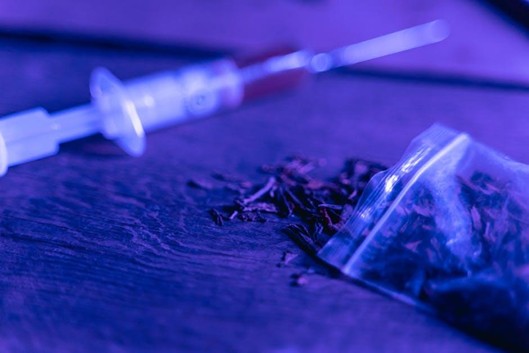
Photo by MART PRODUCTION on Pexels
Alt text: Amber cannabis distillate in a clear glass container on a dark background
A big part of that shift is the availability of consistent, lab-tested product. Concentrates in particular have taken center stage, and purified formats like cannabis distillate have become a go-to for athletes who want precise dosing without the tar of smoked flower. Here’s a look at why the combat sports space has changed its mind, what’s driving it, and what’s worth knowing before experimenting.
Why Does Combat Sports Culture Care About Cannabis Now?
Three things changed the conversation. Legalization in most of the United States and all of Canada created legal supply chains with lab testing, purity data, and standardized labeling. That matters in a culture built around precise cutting, hydration, and recovery monitoring.
Regulatory bodies followed. In 2021, the World Anti-Doping Agency kept THC on its prohibited-in-competition list but clarified that out-of-competition use is no longer disciplined at the same level. USADA’s 2022 update for combat sports followed suit. The practical effect: non-competitive athletes, amateurs, and retired fighters can use cannabis products with far less professional risk than a decade ago.
The third shift was scientific. More rigorous studies on CBD for inflammation, and emerging evidence on low-dose THC for sleep quality, have given the fighter-wellness community something to point at beyond anecdote. The mainstream medical community isn’t there yet, but the direction of the research has changed the tone of the locker-room conversation.
Why Has Distillate Specifically Taken Off?
Distillate is a refined cannabis extract where everything except the target cannabinoid is stripped out through distillation. For a combat sports audience, the appeal is specific:
- Predictable potency. Distillate is typically 85 to 95 percent cannabinoid by weight, with lab-verified numbers printed on the packaging. An athlete can dose in measurable units rather than guessing with flower or low-grade oils.
- Clean ingredient profile. Distillate contains no plant material, no residual solvents when produced properly, and no combustion byproducts. For anyone watching their respiratory load during hard training, that’s a plus over flower.
- Versatile consumption. It can be taken sublingually, dropped into a capsule, vaporized, or mixed into an edible. An athlete can match the delivery method to whether they want fast onset (vapor) or slow, long release (oral).
- Dose stacking. A single gram can provide 30 to 50 measured doses, which makes cost-per-use very low compared to pre-rolls or single-serving edibles.
- Storage stability. Distillate in a sealed syringe holds its potency for a year or more if kept cool and dark, unlike flower, which loses potency quickly.
The practical upshot: distillate fits the way combat athletes already think about measurement, dosing, and inventory.
How Does Regulatory Context Still Affect Active Fighters?
Active competitors under WADA or USADA rules still face in-competition THC limits. The threshold for combat sports is urinary 150 ng/mL of THC-COOH, which is lenient but not unlimited. The World Anti-Doping Agency’s current code is the canonical reference for thresholds and updates across combat sports sanctioning bodies. A heavy evening dose two weeks out from a fight can still test above threshold depending on body composition and metabolism.

Photo by Andrea Piacquadio on Pexels
Out-of-competition, the landscape is very different. Training camps outside of the window immediately around competition face almost no restriction, and amateur divisions without sanctioning-body oversight are effectively unrestricted where state or provincial law allows cannabis use.
Retired fighters face no restrictions at all, and they’ve been among the most visible public advocates for cannabis in recovery, citing sleep, chronic pain from TBI, and managing the mental-health side of post-career transition. That career-stage context pairs directly with coverage like the full UFC salary system breakdown, which explains why so many retired fighters rethink recovery investments once the paychecks stop. Compensation-related discussions, covered in detail in the UFC salary breakdown, shape how many athletes approach long-term wellness planning and which recovery modalities they prioritize.
What Should Athletes Look For in a Distillate Product?
If you’re new to the category, the standards to insist on are:
- Certificate of analysis (COA) from a third-party lab, showing cannabinoid profile and contaminant screens
- Named producer with traceable source (province or state of production, license number)
- Explicit solvent testing for any residual extraction solvents
- Heavy metal and pesticide screens below regulatory limits
- Clearly stated cannabinoid breakdown (THC, CBD, minor cannabinoids)
- Recent production date (within the last twelve months is ideal)
- Tamper-evident packaging and child-resistant container
Any reputable Canadian mail-order platform or state-licensed US dispensary should supply all of the above on request. According to the Centers for Disease Control’s cannabis safety guidance, third-party testing remains the most reliable filter for unregulated product risk.
What Recovery-Minded Athletes Should Keep in Mind
- Distillate’s predictable potency makes it easier to dose-match recovery routines
- Out-of-competition use is significantly less regulated than a decade ago
- Active fighters should still calendar their use relative to sanctioned competition
- Third-party lab testing separates reputable products from unregulated ones
- Retired and amateur athletes can experiment more freely where law permits
The Bottom Line on Cannabis in Combat Sports
The combat sports culture has moved from “we don’t talk about it” to “we talk about it like any other recovery tool.” Active fighters still have to respect the competition-window rules, but for the broader ecosystem of amateurs, hobbyists, and retired athletes, cannabis products have become a routine part of the recovery toolkit. Distillate specifically fits how combat athletes think about measurement and precision, which is why it keeps showing up in the conversation.
Frequently Asked Questions
Is THC still banned in MMA competition?
Yes, in sanctioned competition under WADA and USADA rules, with a urinary threshold around 150 ng/mL of THC-COOH. Out-of-competition use faces much less scrutiny following rule updates in 2021 and 2022.
How is distillate different from regular cannabis oil?
Distillate is far more refined than standard oil. The distillation process strips out everything except the target cannabinoids, leaving a near-pure product (usually 85 to 95 percent potency). Standard oils retain more plant material and typically test at 30 to 60 percent potency.
Can amateur or hobbyist MMA athletes use cannabis legally?
It depends on state or provincial law and whether they compete under a sanctioning body. In legal jurisdictions with no amateur sanctioning oversight, recreational adult use is unrestricted. Always verify the specific regulatory situation before any competition.
How long does THC remain detectable after use?
For light or occasional use, THC metabolites typically clear a urine test within 3 to 10 days. For regular use, detection can extend to 30 days or longer depending on body composition, metabolism, and dose history. This is the practical reason active fighters calendar their use around competition dates.