
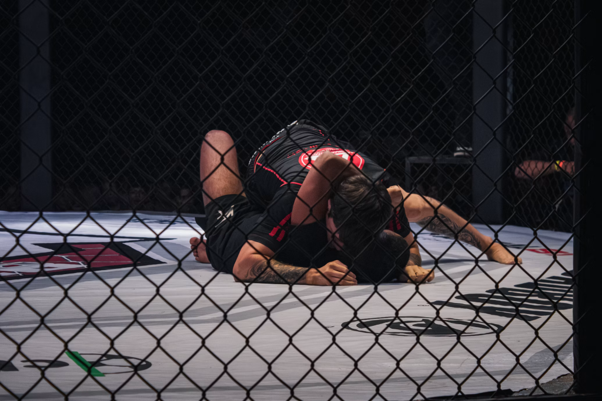
When fans watch mixed martial arts inside the famous octagon, they usually focus on visible physical attributes like knockout power, explosive speed, and submission technique. We admire remarkable athleticism and conditioning, but true victory in combat sports is decided long before physical strikes land. Stepping into a cage to face a highly skilled opponent in front of thousands of screaming fans creates an intense, high-pressure environment. Without mental toughness, emotional regulation, and psychological resilience, even the most physically gifted athlete will crumble under extreme performance anxiety. Combat psychology reveals that elite martial artists excel because they master their internal state of mind through years of dedicated mental conditioning.
Understanding the psychological principles behind high-level fighting offers fascinating insights into human resilience and self-discovery. Exploring how fighters build mental discipline under pressure teaches us valuable lessons about overcoming self-doubt, managing daily stress, and cultivating unshakable confidence in our own everyday lives.
How Fighters Handle Extreme Fear
Every human being experiences fear, and elite combat athletes are no exception when facing high-stakes situations. What separates a champion from an average competitor is not the absence of fear, but how they choose to process that emotion. Instead of allowing fear and adrenaline to paralyze their decision-making, elite fighters learn to channel intense physical arousal into heightened focus and sharp reaction times.
Overcoming internal doubt when standing across from an imposing opponent requires deep mental stability and emotional balance. You can visit the website to discover a skill-building helper that offers practical techniques for emotional grounding and mental techniques to keep you calm through stressful moments. When athletes cultivate emotional balance, they prevent anxiety from hijacking their mind during critical encounters. Staying steady under pressure allows fighters to read subtle movements, react instinctively, and execute complex strategies even in chaotic, unpredictable environments without losing focus.
Developing this level of self-control transforms fear from an overwhelming obstacle into a useful source of sharp awareness.
Simple Mindsets for Unshakable Discipline
Building unshakable discipline requires adopting simple mindsets that prioritize long-term commitment over fleeting motivation. Motivation is naturally fickle, coming and going depending on your mood, sleep quality, or stress levels. Professional fighters cannot rely on feeling motivated every day; instead, they build rigid daily routines that guide their actions regardless of how they feel inside.
One essential mindset shift involves focusing entirely on the journey and daily preparation rather than obsessing over fight outcomes. When an athlete fixates solely on winning or losing, performance anxiety spikes dramatically and drains valuable energy. By focusing on daily technique, nutrition, and conditioning, fighters build genuine self-assurance that carries them through exhausting training camps.
Furthermore, embracing tough challenges as necessary steps toward personal growth helps fighters view exhaustion and physical discomfort as evidence of progress rather than reasons to quit. Choosing to honor your commitments regardless of temporary feelings forms the bedrock of true athletic and personal character. Consistent daily action builds long-term confidence that no temporary doubt can diminish.
Easy Mental Skills for High Performance
Elite fighters rely on specific psychological skills to maintain high performance under extreme physical and emotional stress. Mental rehearsal and visualization are powerful techniques used across top athletic programs worldwide to enhance performance. Before stepping into the ring, fighters mentally walk through fight scenarios repeatedly, visualizing successful defense, striking combinations, and calm movement under pressure. This mental preparation builds neural pathways that make reactions feel second nature during competition.
Controlled breathing is another essential tool used to regulate the body’s nervous system effectively. Taking slow, intentional breaths lowers heart rate and reduces performance anxiety, preventing physical exhaustion brought on by nervous tension. Finally, high-level fighters excel at adapting to unexpected changes in real time. When a game plan fails or an opponent presents a surprising tactic, staying composed allows the athlete to pivot without panicking or losing emotional control. Developing these psychological skills ensures that you remain capable, grounded, and sharp when facing high-stakes moments.

Using Fighter Discipline in Daily Life
The mental tools developed inside the gym and octagon offer profound lessons for navigating modern daily life. We might not step into a physical ring, but we face high-pressure situations, career demands, personal conflict, and unexpected hurdles regularly. Applying fighter discipline means learning to manage everyday stress with composure, emotional clarity, and quiet self-control. Rather than letting difficult moments overwhelm your thoughts, you can use intentional breathing and mental grounding to maintain clarity under pressure.
Moreover, combat sports teach us to view setbacks and mistakes as helpful feedback rather than personal failures. When a fighter loses a match, analyzing errors provides a clear roadmap for future improvement and personal development. Treating personal errors with self-compassion and curiosity builds resilience, helping you recover from life’s setbacks with renewed determination, mental clarity, and enduring confidence. Adopting this growth mindset transforms every personal challenge into a valuable opportunity to build inner strength and wisdom.
Final Thoughts
Combat sports are far less about defeating an opponent and far more about mastering your own mind, fears, and internal limits. Elite martial artists show us that true physical strength is useless without mental discipline, emotional stability, and self-belief. By taking control of your internal thoughts, taking a pause during stressful moments, and embracing small daily habits, you build an invincible spirit capable of facing any obstacle.
The journey toward self-mastery requires time, patience, and consistent dedication, but the rewards of quiet confidence and mental balance are priceless. Embrace the warrior mindset within yourself, trust in your daily preparation, and step into every life challenge with lasting focus, courage, and complete peace of mind every single day. You possess the inner strength needed to face life’s battles with grace, resilience, and unwavering belief in yourself.