
Mixed martial arts has developed a strong online following that extends far beyond live events. Fans no longer depend entirely on television broadcasts or sports websites to follow their favorite fighters. They watch short videos, review statistics, discuss upcoming matches, and participate in online communities. Digital entertainment has become a regular part of how people experience MMA, both during major events and throughout the year.
The connection between sports and online entertainment also influences how fans spend their free time. Some move between fight analysis, competitive video games, and interactive services such as riverspin, while others prefer discussion forums or video content. These activities serve different interests, but they demonstrate how MMA audiences combine several forms of digital recreation. Following the sport now involves much more than watching two athletes compete.
How MMA Fan Habits Have Changed
Before widespread internet access, MMA followers mainly relied on television programs, magazines, and scheduled broadcasts. Information about smaller events often reached audiences several days after the fights. Fans had limited access to training footage, detailed statistics, or interviews with athletes outside major competitions.
Today, a smartphone gives viewers access to extensive information within seconds. Someone preparing to watch a championship fight can review an athlete’s recent results, examine previous performances, and read technical assessments from experienced observers.
This access also changes expectations. Many followers want regular updates rather than occasional reports. They check news during the week, follow training developments, and watch interviews before deciding which upcoming contests interest them.
The shift reflects broader changes in sports consumption. Digital media allows individuals to choose when and how they follow an event. Some prefer complete broadcasts, while others concentrate on highlights, analysis, or discussions.
The Influence of Streaming and Video Content
Live streaming has changed access to combat sports. Viewers can follow events through internet-connected televisions, computers, and mobile devices. Depending on broadcasting agreements and regional restrictions, digital subscriptions may offer live coverage, recordings, interviews, and additional programming.
Video content also helps audiences understand the technical side of MMA. Short clips can demonstrate defensive movements, striking combinations, or transitions between fighting positions. Longer analysis programs examine how athletes adjust their tactics against different opponents.
These formats appeal to viewers with different levels of experience. A newcomer might need an explanation of basic grappling positions. Someone who regularly studies fights may want a detailed breakdown of distance management or defensive reactions.
Short videos serve another purpose. They allow fans to revisit important moments without watching an entire event. A submission, unusual exchange, or controversial decision can generate discussions that continue long after the final result.
However, brief clips rarely explain everything that happened during a contest. They may omit earlier exchanges, fatigue, tactical adjustments, or the circumstances that influenced a particular moment. Viewers who want a complete understanding still benefit from watching full fights.
Social Communities and Fan Discussions
Online communities have become an important part of MMA culture. Supporters exchange opinions about upcoming matches, discuss ranking changes, and examine the technical strengths of different competitors.
These conversations take place through discussion forums, social platforms, video comment sections, and private messaging groups. Each format encourages different types of interaction.
Some communities focus on detailed analysis. Members share statistics, compare fighting styles, and discuss possible outcomes. Others concentrate on immediate reactions, entertainment, and conversations during live events.
Digital interaction also removes many geographical barriers. Fans from different countries can discuss the same fight despite differences in language, local broadcasting schedules, or regional sporting traditions.
Not every discussion produces useful information. Strong personal preferences sometimes influence how people interpret results. Arguments about judging decisions can continue even when participants agree on the official scoring criteria.
Still, these exchanges give audiences a way to participate in MMA culture outside scheduled events. For many followers, discussing a fight forms part of the overall experience.
Why Fight Statistics Matter More Than Before
MMA has always involved technical analysis, but digital tools have made statistical information much easier to access.
Fans can examine fight records, recent results, finishing methods, and performance indicators. Some databases also track striking accuracy, takedown attempts, and defensive activity.
Several measurements commonly appear in MMA discussions:
- Significant strikes: The number of meaningful strikes an athlete lands during a contest.
- Striking accuracy: The percentage of recorded strike attempts that reach the opponent.
- Takedown success: The relationship between successful takedowns and total attempts.
- Submission attempts: Recorded efforts to finish a fight through a submission hold.
- Fight duration: The amount of time a contest continues before reaching its conclusion.
These figures help viewers identify patterns, although individual measurements cannot fully explain a fighter’s abilities.
For example, an athlete with high striking accuracy may face opponents who allow frequent exchanges. Another competitor might record fewer successful strikes because their strategy depends on grappling and controlling distance.
Statistics therefore require context. Fans who combine numerical information with actual fight footage can develop a clearer understanding of competitive performance.
Digital databases also encourage discussions about rankings. Different ranking systems apply different criteria, which can lead to disagreements about an athlete’s position.
Interactive Entertainment Beyond Live Fights
MMA audiences participate in several forms of digital recreation outside traditional sports coverage.
Combat-themed video games allow users to practice virtual striking, grappling, and defensive techniques. These games cannot reproduce every physical or tactical aspect of real competition, but they introduce players to fundamental concepts.
Simulation games also encourage experimentation. Users can select different fighting approaches, adjust strategies, and observe how certain decisions affect virtual contests.
Interactive quizzes, prediction contests, and sports trivia offer additional activities. Participants might identify former champions, predict fight outcomes, or answer questions about historical events.
Some platforms organize competitions that allow participants to compare their knowledge with other fans. These activities can maintain interest during periods without major MMA events.
The appeal comes partly from participation. Instead of consuming information without responding, users make decisions and receive immediate results.
However, digital games and sporting contests serve different purposes. A realistic simulation can help explain general techniques, but it cannot reproduce physical conditioning, injury risk, or the pressure athletes experience during professional competition.
The Role of Mobile Devices
Mobile technology has made MMA content accessible throughout the day. Fans can check event schedules while commuting, watch interviews during a break, or examine results shortly after a fight ends.
Applications often combine several functions within one interface. Users may receive notifications about upcoming contests, follow individual athletes, or review updated rankings.
The ability to receive information quickly has practical advantages. Someone who cannot watch an event live can follow results without searching through multiple websites.
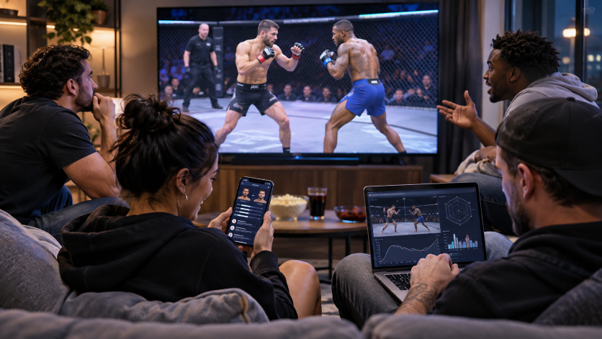
Mobile devices also support activities during broadcasts. Many viewers keep a phone nearby to examine statistics, participate in discussions, or check information about unfamiliar competitors.
This behavior creates a viewing experience that involves multiple screens. The main broadcast remains the central activity, while additional content supplies context or social interaction.
Constant notifications can also interrupt concentration. Some viewers prefer to disable updates and focus entirely on the competition.
How Digital Content Changes Event Preparation
Major MMA events generate discussion well before the athletes enter the fighting area. Digital platforms allow fans to follow preparations through interviews, training reports, and technical previews.
Viewers often examine previous performances to understand possible tactical choices. They consider factors such as reach, endurance, defensive habits, and experience against particular fighting styles.
Online discussions can also highlight questions that traditional event previews overlook. Fans may investigate how an athlete performs during later rounds or whether previous opponents used similar strategies.
This information makes preparation an active process. Instead of waiting for the broadcast to begin, interested viewers spend time learning about the competitors.
However, training footage has limitations. Short videos rarely reveal an athlete’s complete preparation, and public statements do not always indicate the approach a fighter will use.
Responsible analysis distinguishes confirmed information from speculation.
The Psychology of Digital Fan Participation
MMA attracts attention through physical competition, uncertain outcomes, and contrasting athletic styles. Digital entertainment adds opportunities for fans to respond to these elements.
Prediction discussions encourage people to examine evidence before reaching conclusions. Interactive games introduce immediate feedback, while online conversations allow participants to compare interpretations.
Social interaction can also influence expectations. When many community members support one fighter, individuals may begin to reconsider their original assessments.
This effect does not necessarily reflect new evidence. Repeated opinions can influence perceptions even when participants provide little supporting information.
Fans who recognize this tendency can approach predictions with greater care. They can examine contrasting arguments, review available footage, and separate personal preferences from measurable performance.
Online participation also contributes to a sense of community. Regular conversations allow people with shared interests to maintain contact between events.
Challenges Facing Digital MMA Entertainment
Greater access to online content creates challenges alongside its benefits.
Information quality remains an important concern. Social platforms can spread inaccurate injury reports, misleading statistics, or edited footage without sufficient context.
Viewers also face difficulties when they try to distinguish informed technical commentary from speculation. A confident prediction does not guarantee that its author understands the relevant evidence.
Subscription costs create another concern. Different services may hold broadcasting rights for separate competitions, requiring fans to manage several accounts.
Privacy deserves attention as well. Digital platforms collect information about viewing habits, preferences, and user activity. Consumers should understand what information a service requests and how it handles personal data.
Finally, constant access can make entertainment difficult to manage. Following every update, discussion, and event requires considerable time.
Fans benefit from choosing activities that match their interests rather than responding to every notification.
What Comes Next for MMA Fan Culture
Digital entertainment will likely continue influencing MMA audiences as technology develops.
Video services may introduce additional viewing angles, customizable statistics, and improved replay controls. Interactive features could allow users to examine technical information while watching a contest.
Automated analysis may also help organize large amounts of sporting data. Such systems could identify recurring movement patterns or summarize measurable actions, although human interpretation will remain important.
Online communities will continue shaping discussions around fighters, results, and future events. Mobile access should also remain central to everyday engagement.
The main challenge involves maintaining a useful connection between digital content and the sport itself. Technology can make information accessible, but it cannot replace the physical competition that attracts viewers in the first place.
Conclusion
Digital entertainment has become a regular part of MMA fan culture. Streaming services, online communities, statistical databases, mobile applications, and interactive games influence how audiences follow the sport.
These tools allow fans to study performances, exchange opinions, and maintain their interest between major events. They also create challenges involving information quality, subscription costs, privacy, and excessive screen time.
The relationship between MMA and digital entertainment will continue to develop. Fans now have several ways to engage with combat sports, but the central attraction remains the same: watching athletes compete and understanding the decisions that determine the outcome.