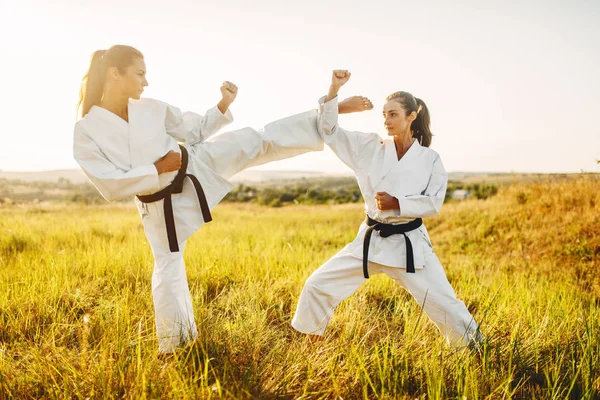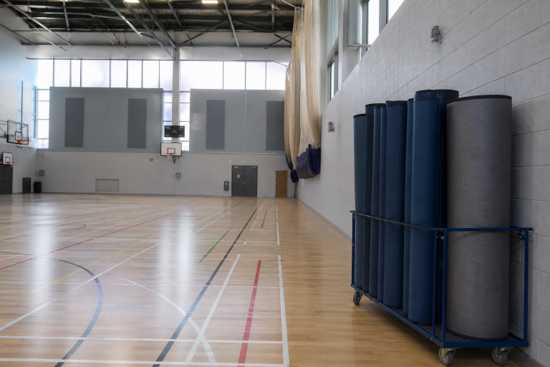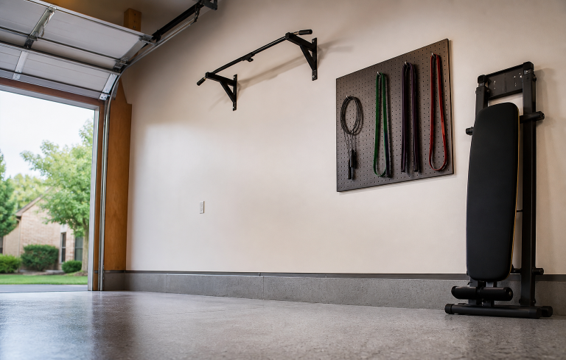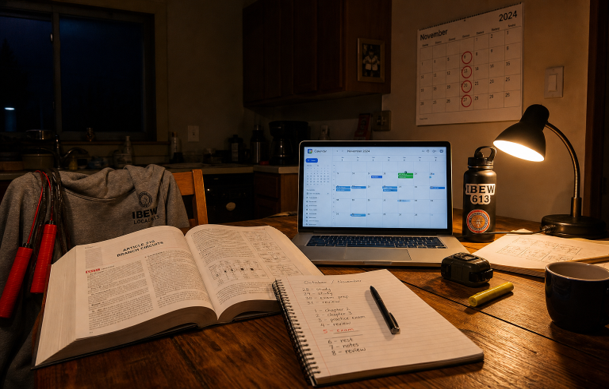
For most college students, finals week means library marathons and too much coffee. For an MMA athlete, it can also mean bruised ribs from sparring, an upcoming weight cut, and a statistics exam that suddenly feels just as intimidating as the opponent waiting inside the cage. That’s the reality thousands of student-athletes live every semester, where academic deadlines and fight preparation collide without either one slowing down.
7 Tools to Run a BJJ Gym Without Losing Your Weekends
You did not open a BJJ gym to spend Sunday chasing late payments.
But that is how a lot of gym owners end up living. The mats close, and the real work starts. You are texting members about failed cards. You are fixing next week’s schedule. You are trying to remember who is close to their next stripe. By the time you look up, the weekend is gone.
Here is the thing: most of that work does not need you. It needs a system. The right software handles the repeat tasks on its own, so you can coach, grow the gym, or just take a day off.
Below are seven tools that help you run a BJJ gym without giving up your weekends. We will cover what each does best and who it fits, so you can pick the one that matches your gym.
The Business Side of Running a Successful Martial Arts Academy
Marcus started his Brazilian Jiu-Jitsu School with students and a dream. Three years later, he had more than a hundred members on his books and was as busy as a bee. But every Sunday night, he sat at his kitchen table going through a notebook, trying to figure out who paid this month, who had not shown up in weeks, and why his bank account did not match what he thought he was bringing in. He was drowning, and it was not because of his mat skills.
This is a common issue for many martial arts studio owners. How many of you are in this profession because you have a passion for art, a passion for teaching, and a passion for seeing a nervous kid grow into a confident teenager who can hold their own?. Nobody tells you that half your week will be spent on things that have nothing to do with martial arts at all. Billing, scheduling, and chasing people who stopped showing up. Figuring out why your numbers do not add up. If any of that sounds familiar, you are not failing as an instructor. You just have not built the business side yet. And that part can actually be fixed.
Why the MMA Weight Cutting Arms Race Keeps Getting Worse
Cameron Smotherman made weight at UFC 324 in January 2026. Stepped off the scale at 135.5 pounds, took a few steps, and collapsed face first onto the stage. No hands out. Stitches on his chin. The fight was cancelled. Dana White compared it to fainting at a wedding. Smotherman himself said he barely cut anything. The clip went everywhere because it captured something the sport has been circling for years: a system where making weight and making it safely are two separate problems, and the gap between them keeps widening.
Training Like a Champion: Inside a Modern MMA Fighter’s Routine

https://www.pexels.com/photo/two-male-martial-artists-fighting-6295767/
Ever wondered what it actually takes to step into the cage?
MMA training is tough. Really tough. If you thought punching and kicking bags were hard, just wait till you try crawling on the ground learning submissions. These days MMA fighters train like athletes of all sports.
Nobody really knows what today’s mixed martial artists go through on a day-to-day basis. The hours they put in, the sacrifices they make, or the tools they use to recover to stay intact.
Here is a behind-the-scenes look at how the pros do it.
The high-tech fight game and how technology is changing MMA for fighters and fans

Mixed martial arts is still about raw skill, heart and grind, but at this point, technology is right there in the mix. Biometric tracking, AI-powered coaching and whole new ways for fans to get involved; sports betting, online casinos and all of it, are changing MMA quickly.
Not that long ago, MMA training meant beating on heavy bags, all-out sparring and coaches yelling from one end of the gym to the other. Things look different now. Fighters still grind through wild training camps, but these days, they’re tracking their own data, working with high-tech analytics and breaking down video with software that picks apart every kick and punch, frame by frame.
If you look closely, tech has been transforming MMA bit by bit over the last ten years. What you see on fight night is just the surface. Behind the scenes, fighters and trainers use tools that would’ve seemed insane a few years ago.
And fans? They’re not just watching from their couches anymore. Now they check live stats on their phones, chime in on social media while the action’s happening and place bets on fights as they unfold.
How MMA Training Is Influencing Home Gyms
Mixed martial arts has moved well beyond the cage. What was once a sport watched from the couch is now shaping how people set up and use their home gyms. As more fitness enthusiasts adopt MMA-style workouts, the equipment they buy, the routines they follow, and the goals they set are changing noticeably.
How Martial Arts Training Builds Real-Life Confidence And Control
Do you feel shy in daily life, or do you want better control over your mind and body?
Many people feel this in school, the office, at home, or in public places. Martial arts training can help a person feel calm, active, and ready from the inside. It is not only about punches, kicks, or moves. It is also about balance, focus, respect, and self-belief.
When a person trains step by step, the body becomes stronger, and the mind becomes clearer. Slowly, confidence starts coming naturally. You stand better, speak better, and handle daily situations with more control.
Smart Strategies to Beat Post-Workout Fatigue and Bounce Back Quicker

https://www.pexels.com/photo/men-working-out-in-the-gym-6295751/
Post-workout fatigue is the worst.
You nail an epic session. Then for the next two days you stumble around half dead on legs. Most people who train hard have been there. The upside is that recovery is something you can totally have under control with these tips.
Learn how to recover faster after workouts using smart, simple methods. Learn how pros rest so that they can workout again quickly and more often.
Let’s jump in…
How Pilates Elevates Athletic Performance in Durham, NC
Athletes in Durham are increasingly turning to Pilates as a training tool—not just for recovery, but for performance gains that translate directly to the field, court, or track. What began as a rehabilitation method developed by Joseph Pilates in the early 20th century has evolved into a sophisticated system that addresses the biomechanical demands of modern sports.
How Elite MMA Fighters Build Nutrition and Recovery Systems Between Training Camps
Picture the final week of a training camp. The fighter has been going hard for eight weeks. The weight is close but not there yet. The sparring partners have tested every hole in the game plan. The body is functional but running on depleted reserves, and the most important performance of the past six months is still days away. What happens between the end of camp and fight night, and between fights altogether, often determines more about a fighter’s long-term career arc than anything that happens inside the cage.
Recovery After Sparring: What Combat Athletes Should Look For in Modern Wellness Products

https://pixabay.com/photos/kung-fu-fighting-martial-arts-mma-2198043/
Sparring is brutal on the body.
Whether you train MMA, boxing, Muay Thai, or BJJ — every tough workout leaves you with achy joints, stiff muscles, and sore ligaments. Recovery is one of the most common areas where fighters go wrong. Your training doesn’t surpass your recovery. If you aren’t recovering quickly, you cannot train hard each day.
That’s where modern wellness products come in.
How Nutrition and Recovery Impact Fighter Performance and Rankings
Photo by C.F. Photography on Unsplash
In combat sports, performance is often measured in visible outcomes, wins, losses, and rankings. But behind every fight is a complex system of preparation that determines how an athlete performs when it matters most. Among the most critical yet sometimes underestimated factors are nutrition and recovery. These elements influence not only physical strength and endurance but also consistency, resilience, and long-term career progression.
Fighters who prioritize these areas are better equipped to handle the demands of training camps, weight cuts, and competition schedules, giving them a measurable advantage over time.
The Evolution of MMA: How Modern Fighters Train Smarter, Not Harder
There was a time when MMA training was all about one thing. Whoever suffered the most in camp would be the one still standing on fight night. Hard sparring, endless conditioning, brutal schedules. If a session left you beaten up and barely able to move the next day, people figured it must have been worth it.
That culture produced incredibly tough athletes. It also shortened careers, stacked up injuries, and sent fighters into the cage carrying more damage than they should have been carrying.
Modern MMA has moved on. The sport still demands discipline and an unusual level of commitment. That has not changed. What has changed is how the best fighters think about improvement. More work does not always mean better work. They know that now.
The Changing Role of Cannabis in Combat Sports Recovery Culture
Ten years ago, cannabis barely registered in combat sports conversations outside of disciplinary rulings. Today, it’s a routine part of the recovery playbook for amateur competitors, retired pros, and hobbyist MMA athletes across North America. The shift mirrors the broader normalization of cannabis, but combat sports brought their own distinct reasons to adopt it.