
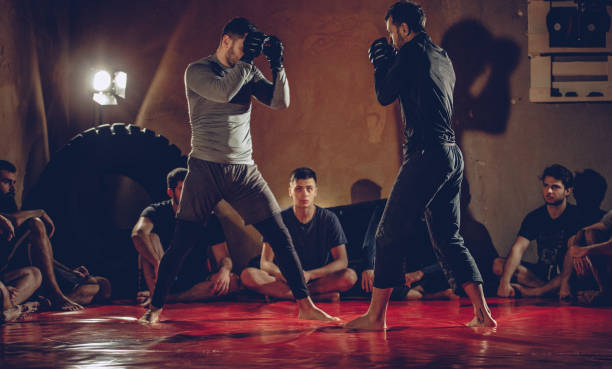
Winning a fight is not always about throwing the hardest punch or having the fastest reaction. Smart fighters study their opponents, recognize patterns, and make calculated decisions under pressure. While sports fans may explore analytical resources and review platforms such as Gamble Critic when following competitive events, athletes develop their tactical understanding through training and experience.
Martial arts training helps fighters improve their timing, defensive awareness, and ability to adjust strategies during competition. From boxing and karate to Brazilian jiu-jitsu and mixed martial arts (MMA), every discipline teaches valuable lessons about movement, positioning, and decision-making. Understanding these skills helps beginners and experienced athletes approach competition with better preparation and greater confidence.
Understanding the Connection Between Martial Arts and Fight Strategy
Fight strategy involves making calculated decisions to gain an advantage while limiting unnecessary risks. Martial arts training develops this ability by combining physical techniques with observation, timing, and tactical planning.
Fighters gradually learn that choosing the right technique at the right moment matters more than attacking continuously.
Learning to Think Before Acting
Beginners sometimes react immediately when an opponent attacks. However, experienced fighters learn to assess distance, identify openings, and select suitable responses.
For example, a boxer facing an aggressive opponent might use footwork and counterpunching instead of exchanging punches continuously.
This approach can conserve energy while creating opportunities for accurate attacks. It also teaches fighters to remain patient when an immediate offensive response might expose them to unnecessary damage.
Understanding Distance and Positioning
Distance management is essential in combat sports. Fighters must recognize when they are close enough to attack and when they should maintain defensive space.
A kickboxer may prefer longer distances for kicks, while a wrestler often needs closer contact to attempt takedowns.
Understanding these differences helps athletes control exchanges and avoid unnecessary risks. Regular footwork drills also teach fighters how to move without losing balance or creating openings for their opponents.
How Martial Arts Training Improves Decision-Making Under Pressure
Competitive fights require athletes to make decisions within seconds. Opponents constantly change positions, attacks, and defensive movements.
Regular training exposes fighters to these situations, allowing them to practice making effective choices under controlled conditions.
Developing Faster Reactions and Anticipation
Martial arts drills encourage athletes to recognize movement cues, including changes in stance, shoulder positioning, and balance.
For instance, a boxer who notices an opponent shifting their weight may anticipate an incoming punch or movement.
Anticipation is particularly useful because recognizing an attack early can provide more time to respond.
However, fighters must avoid reacting to every movement. Experienced opponents sometimes use feints to create false openings and encourage defensive mistakes.
Managing Pressure During Sparring
Controlled sparring creates opportunities to practice tactical decisions against a resisting opponent.
Useful training activities include:
- Practicing defensive responses against different attacks.
- Using limited-technique sparring to improve concentration.
- Switching between offensive and defensive positions.
- Reviewing unsuccessful techniques after training rounds.
- Maintaining controlled breathing while managing demanding exchanges.
Reading Opponents and Adjusting Fight Strategies
Every fighter has individual strengths, weaknesses, and preferred techniques. Recognizing these characteristics helps athletes prepare more effective strategies.
Martial arts training teaches competitors to observe an opponent’s behavior rather than relying entirely on their original plan.
Identifying Repeated Fighting Patterns
Fighters sometimes repeat certain movements without realizing they have become predictable.
For example, an MMA fighter might notice that an opponent regularly lowers their hands before attempting a takedown. Recognizing this pattern allows the defender to prepare an appropriate response.
However, athletes should avoid assuming that one repeated movement guarantees another. Opponents can deliberately change patterns to create openings.
Adjusting Tactics During Competition
Successful fighters understand when their strategy needs modification. A kickboxer struggling against a taller opponent might adjust their footwork, attack different targets, or use combinations to create openings.
Rather than repeating unsuccessful attacks, fighters should assess what is working and make practical adjustments. Coaches also play an important role between rounds. Their observations can help athletes recognize weaknesses and make tactical changes they might overlook during an intense exchange.
Practical Training Methods for Better Fight Strategy
Improving tactical awareness requires structured exercises that connect technical skills with realistic competitive situations.
Coaches can help athletes identify specific weaknesses and select suitable training activities.
Practicing Situational Sparring
Situational sparring begins from a predetermined position or competitive problem. For example, Brazilian jiu-jitsu practitioners may practice escaping from underneath an opponent while maintaining defensive control.
Similarly, wrestlers might focus on defending takedowns or recovering their stance. These exercises allow athletes to practice responses repeatedly without managing every possible situation simultaneously. As their skills develop, coaches can gradually introduce additional resistance and more complex scenarios.
Reviewing Training and Competition Footage
Video analysis helps fighters recognize technical mistakes that may go unnoticed during sparring.
Athletes can review footage by asking:
- Which attacks were consistently effective?
- Where did defensive positioning become weak?
- What movements did the opponent repeat?
- Which tactical adjustments could improve performance?
- Did fatigue affect technique or decision-making?
Discussing these observations with a coach helps athletes establish clear goals for future sessions. Instead of attempting to correct every weakness immediately, fighters can focus on one or two specific improvements during each training period.
Common Mistakes That Reduce Tactical Effectiveness
Even physically talented fighters can struggle when their decision-making habits are weak. Recognizing common mistakes is an important part of martial arts development.
Some problems include:
- Relying entirely on strength: Physical advantages cannot replace sound technique and positioning.
- Repeating predictable attacks: Opponents may recognize patterns and prepare counters.
- Ignoring defensive movement: Poor positioning can expose fighters to unnecessary attacks.
- Training without specific goals: Unstructured practice makes it difficult to measure technical improvement.
- Failing to adapt: Continuing an ineffective strategy can create additional problems.
Another common mistake is treating every sparring session like a competition. Training should provide opportunities to experiment, make corrections, and improve technique without unnecessary injury risks. Correcting these habits requires consistent practice, constructive feedback, and realistic training goals.
Conclusion
Martial arts training improves fight strategy and decision-making by developing tactical awareness, anticipation, defensive positioning, and adaptability. Through controlled sparring, technical drills, and performance analysis, athletes learn to recognize opportunities and respond effectively under pressure.
For MMA fighters, boxers, and other combat sports athletes, combining physical preparation with intelligent decision-making creates a stronger foundation for competition. The ability to recognize when to attack, defend, or change tactics can make a meaningful difference in competitive performance.