
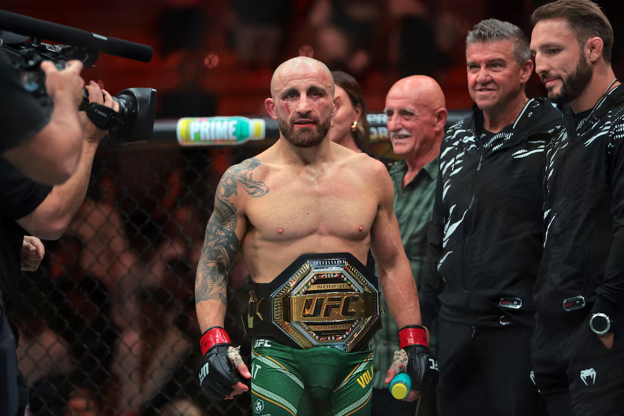
The Ultimate Fighting Championship has turned regional standouts into international stars. Alexander Volkanovski and Robert Whittaker reached its summit. Dan Hooker and Tai Tuivasa built loyal audiences through risk-heavy, crowd-pleasing fights.
Identifying the wealthiest fighter in this group requires more than comparing disclosed purses. UFC contracts are largely private, sponsorship income can shift from year to year, and a high-level training camp carries serious costs. Taxes, management fees and medical expenses further reduce what an athlete actually keeps. To make sense of those hidden variables, this article was prepared with input from the experts at Leon Casino, whose team examined the financial forces surrounding elite combat sports. The result is a broader view of fighter wealth, built around career longevity, championship opportunities and commercial appeal rather than headline earnings alone.
How We Ranked Australasian UFC Wealth
A reported UFC net worth can combine disclosed purses with sponsorships, businesses and media work. It may also rely on outdated or unverified figures. That makes false precision particularly misleading.
Our estimates weigh four factors:
- Length of the fighter’s career at elite level
- Championship appearances and major-event placement
- Reported purses, bonuses and likely contract progression
- Sponsorships, media work and other commercial opportunities
An MMA fighter salary is not the same as personal wealth. Gross earnings must support coaches, management, medical care, travel and taxes. Investments and private business interests can also change the picture.
The Richest UFC Fighters from Australia and New Zealand
These are editorial estimates based on career stature and publicly discussed earnings..
| Rank | Fighter | Representing | Major distinction | Estimated wealth |
| 1 | Alexander Volkanovski | Australia | Two-time UFC featherweight champion | AUD 5.5–7.5 million |
| 2 | Robert Whittaker | Australia | Former UFC middleweight champion | AUD 5–7 million |
| 3 | Dan Hooker | New Zealand | Long-serving lightweight contender | AUD 3–4.5 million |
| 4 | Tai Tuivasa | Australia | Heavyweight headliner and knockout favourite | AUD 2.5–4 million |
| 5 | Jack Della Maddalena | Australia | UFC welterweight champion in 2025 | AUD 2–3.5 million |
| 6 | Megan Anderson | Australia | Former UFC title challenger | AUD 1.5–2.5 million |
| 7 | Tyson Pedro | Australia | Former UFC light heavyweight | AUD 1.3–2.2 million |
| 8 | Justin Tafa | New Zealand/Australia | UFC heavyweight knockout specialist | AUD 1–1.8 million |
| 9 | Steve Erceg | Australia | Former UFC flyweight title challenger | AUD 800,000–1.5 million |
| 10 | Junior Tafa | New Zealand/Australia | UFC heavyweight and kickboxer | AUD 500,000–1 million |
These richest UFC fighters are not ranked by one-night purses alone. Championship longevity gives Volkanovski and Whittaker a considerable advantage. Newer names may command stronger future contracts, but they have had fewer years to accumulate wealth.
What a UFC Fighter Really Takes Home
A UFC fighter salary can include several separate payments. Only selected athletic commissions publish purse information, while modern contracts commonly remain confidential.
| Income or cost | How it works | Financial effect |
| Show purse | Contracted payment for competing | Provides gross guaranteed income |
| Win bonus | Additional payment after victory | Can double the contracted purse |
| Performance bonus | Discretionary award for an outstanding fight or finish | Adds a substantial one-off payment |
| PPV participation | Share linked to pay-per-view sales | Usually reserved for champions or major stars |
| Sponsorships | Brand campaigns, appearances and social content | Depends heavily on public profile |
| Career expenses | Coaches, camp, management, travel, medicine and taxes | Reduces the athlete’s retained income |
The financial pressures affecting the richest MMA fighters also apply to lower-paid athletes. A headline purse can be reduced by:
- Coaching and gym fees
- Management commissions
- Sparring partners and specialist training
- Medical treatment and physical rehabilitation
- Taxes across relevant jurisdictions
This is why gross career earnings cannot be presented as money in the bank.
The Championship Earners
Title fights bring attention, leverage and possible pay-per-view participation. They also demand expensive camps and carry no guarantee of lasting commercial success.
Alexander Volkanovski
Raised in Wollongong, Volkanovski played rugby league before committing to MMA. His physical transformation from a stocky front-rower into an elite featherweight became part of his public appeal.
He won the UFC title from Max Holloway in 2019 and built a championship résumé across multiple title fights. He also pursued lightweight gold against Islam Makhachev. That activity, combined with endorsements and his online audience, supports an estimated fortune of AUD 5.5–7.5 million.
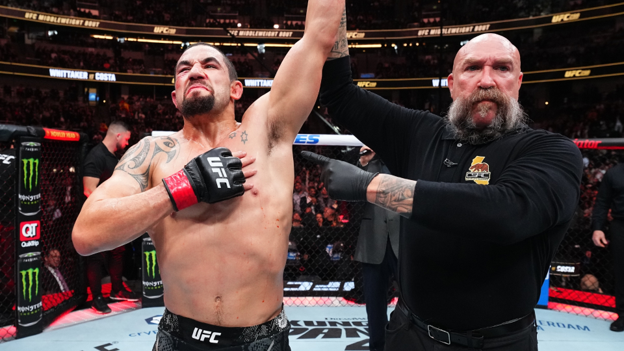
Robert Whittaker
Whittaker was born in Auckland and raised in Australia. He entered the UFC through The Ultimate Fighter: The Smashes, then reinvented himself after moving from welterweight to middleweight.
His victories over Yoel Romero established him as the division’s champion and one of its most dependable attractions. Years of main events and elite opposition place his estimated wealth between AUD 5 million and AUD 7 million. His longevity keeps him close to Volkanovski.
Dan Hooker
Auckland’s Dan Hooker built his reputation through kickboxing, regional MMA and an unusually demanding UFC schedule. His battles with Dustin Poirier and Paul Felder strengthened his standing even when they did not deliver easy victories.
Hooker has earned multiple UFC performance and fight bonuses. He also benefits from coaching and commercial visibility in New Zealand. His estimated wealth of AUD 3–4.5 million reflects more than a decade in the promotion and sustained relevance at lightweight.
The Contenders Turning Momentum into Money
A fast rise can improve contract leverage. It cannot immediately reproduce the accumulated earnings of a veteran with ten years of major fights.
Tai Tuivasa
Tuivasa grew up in western Sydney and has Indigenous Australian and Samoan heritage. He became one of heavyweight MMA’s most recognizable personalities through knockout power and his celebratory “shoey.”
A five-fight knockout streak carried him into a 2022 contest with Ciryl Gane in Paris. Results later became less consistent, but heavyweight main events and strong audience recognition retained commercial value. His estimated wealth stands at AUD 2.5–4 million.
Jack Della Maddalena
Perth’s Della Maddalena lost his first two professional fights before assembling a long winning run. His compact boxing, body attacks and composure then made him one of Australia’s fastest-rising contenders.
He defeated Belal Muhammad to capture the welterweight championship in 2025. That achievement changed his earning ceiling, although his time receiving championship-level compensation remained shorter than the veterans above him. His estimated personal wealth is AUD 2–3.5 million.
Steve Erceg
Steve Erceg developed through Perth’s local MMA scene before joining the UFC in 2023. Only three promotional victories separated his debut from a flyweight title opportunity against Alexandre Pantoja.
Erceg lost that close decision but demonstrated that he belonged near the division’s summit. The title appearance increased his profile faster than his total career earnings. His estimated wealth sits between AUD 800,000 and AUD 1.5 million.
Justin Tafa
Born in Auckland and based in Australia, Justin Tafa comes from a Samoan combat-sports family. His heavyweight career has been defined by brief, violent contests rather than high-volume decision wins.
Knockout victories created bonus potential and kept him marketable. Inconsistent results and comparatively limited Octagon time constrain his cumulative earnings. His estimated wealth is AUD 1–1.8 million.
Careers Extending Beyond a Current UFC Ranking
Rankings disappear quickly. Name recognition, media skills and opportunities in other combat sports can continue producing income after an athlete’s promotional position changes.
Junior Tafa
Junior Tafa followed his brother Justin into combat sports but arrived with deeper professional kickboxing experience. He competed in GLORY before focusing more heavily on MMA and joining the UFC.
His career remains younger than those of most fighters listed here. Short-notice appearances and heavyweight visibility provided useful opportunities, but he has not accumulated a champion’s long-term earnings. His estimated wealth is AUD 500,000–1 million.
Tyson Pedro
Tyson Pedro grew up in western Sydney in a family immersed in martial arts. He entered the UFC as an unbeaten light heavyweight and quickly earned attention for his athleticism and finishing ability.
Serious knee trouble interrupted his momentum and kept him inactive for several years. Pedro later returned with consecutive first-round stoppages before leaving the UFC in 2024. His accumulated purses and continuing combat-sports profile support an estimated fortune of AUD 1.3–2.2 million.
Megan Anderson
Born on the Gold Coast, Megan Anderson began MMA after leaving the Australian Army. She moved to the United States, became Invicta FC featherweight champion and later joined the UFC.
Anderson challenged Amanda Nunes for the featherweight championship in 2021. She subsequently stepped away from active competition and developed work in broadcasting and analysis. Her title-fight exposure, Invicta success and media career place her estimated wealth at AUD 1.5–2.5 million.
Why Public Fortune Estimates Can Mislead
Lists of the richest UFC fighters of all time often treat every reported purse as retained capital. That method overlooks how professional fighters operate as small businesses.
Public estimates can diverge because:
- Contracts may contain confidential escalators and side agreements.
- Athletic commissions disclose only selected components of compensation.
- Sponsorship and appearance fees are rarely published.
- Training expenses vary dramatically between athletes.
- Property, investments, debts and tax positions remain private.
The strongest counterargument is simple: outsiders cannot know these athletes’ personal wealth. That is correct. The ranges above are comparative editorial estimates based on career evidence, not definitive financial declarations.
FAQ
Who’s the richest UFC fighter from Australia or New Zealand?
Alexander Volkanovski ranks first in this assessment, with estimated wealth of AUD 5.5–7.5 million. Robert Whittaker is a close second because of his championship tenure and long record of major fights.
How much does an Australian UFC fighter earn per fight?
There is no standard rate. A developing athlete may receive a five-figure contracted purse, while an established headliner can earn six figures before bonuses. Champions may negotiate larger guarantees and pay-per-view participation.
Do UFC champions receive pay-per-view points?
Some champions and major attractions negotiate pay-per-view-linked compensation. It is not automatic for every champion, and the thresholds or percentages are generally confidential.
Why can a fighter’s wealth be lower than career earnings?
Career earnings are normally gross figures. Fighters must fund camps, coaches, management, travel, rehabilitation and taxes. Spending choices and investment performance further affect the amount retained.