
Betting on UFC fights is not simply a matter of picking the athlete with the better record. Odds determine the value of every wager, meaning a dominant champion priced at -700 can produce a smaller long-term return than an underrated fighter who regularly wins at plus money.
Historical betting data makes that distinction clear. Several UFC champions produced strong returns for bettors, but some less dominant names generated even better numbers because sportsbooks repeatedly underestimated them. ESPN’s analysis of UFC career betting returns found that fighters such as Frankie Edgar, Darren Elkins, Michael Bisping, Jon Jones, and Amanda Nunes ranked among the strongest betting investments during the periods measured.
What Makes a UFC Fighter Profitable to Bet On?
A profitable UFC fighter is not always the fighter with the highest win percentage. What matters is the relationship between winning probability and betting odds. A fighter priced at -500 must win far more often to justify repeated bets than an athlete listed at +150.
This principle applies across betting markets. Some users also prefer gambling services with fewer account checks, which explains interest in no id verification casinos that focus on reduced KYC requirements, payment options, and quicker account registration. The same attention to terms and conditions matters in sports betting: odds, limits, payout rules, and verification policies can all affect the practical value of a wager. The target site notes that some operators marketed as no-verification services may still request documents after certain payout thresholds or unusual account activity. Bettors researching fighters can also check official UFC statistics for records, striking data, takedowns, and past fight results before assessing a matchup.
For UFC betting, profitability generally comes from three factors:
- winning consistently
- winning when offered at reasonable or underdog odds
- outperforming the probability implied by sportsbook prices
That is why betting ROI can tell a very different story from a fighter’s MMA record.
Frankie Edgar: The Historic Betting Benchmark
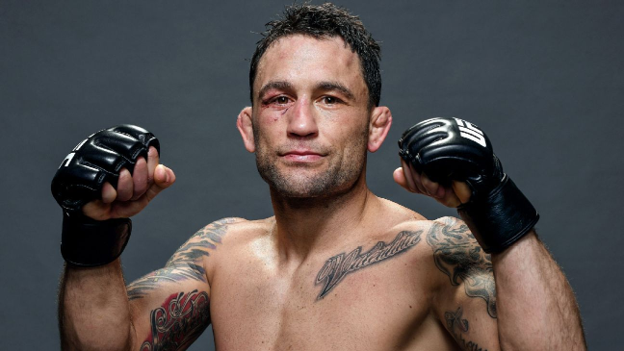
Frankie Edgar provides perhaps the clearest example of how UFC betting value works.
An ESPN analysis found Edgar ranked first among UFC fighters for career betting profit at the time of the study. A later ESPN comparison listed $5,150 in cumulative risk and $2,088 in total profit, equal to a 41% return under its betting model.
Edgar’s value came partly from being underestimated. He faced elite competition for years and was not always priced like an overwhelming favorite. That combination of strong results and relatively favorable UFC betting odds created opportunities for backers.
His case also shows why simply betting dominant favorites can be less productive than finding fighters whose true chances appear better than the betting line suggests.
Darren Elkins: Why Underdogs Can Produce Huge ROI

Darren Elkins is another useful case. ESPN’s historical calculations placed him second in total career profit among the fighters studied, but his 79% ROI was even more striking. The model listed $2,355 risked and $1,850 in profit.
Elkins never had the star status associated with many UFC champions, which is part of what made his numbers notable. Fighters who repeatedly enter bouts as modest or substantial underdogs can generate large returns when they outperform market expectations.
A bettor does not need an underdog to win most of the time. At +200 odds, for example, a winning rate above the implied probability of roughly 33.3% can theoretically produce positive results before other variables are considered.
Michael Bisping and the Value of Major Upsets

Michael Bisping demonstrates how a small number of high-value victories can radically change career betting returns.
ESPN highlighted his upset wins against Anderson Silva and Luke Rockhold as major contributors to his betting profitability. His victory over Rockhold was especially important because Bisping entered the title fight as a sizable underdog.
In ESPN’s later career-return table, Bisping ranked third, producing $1,550 in profit from $6,177 risked for a 25% ROI.
This is one reason UFC underdog betting attracts so much attention. A single win at +400 can compensate for several losing bets at similar stake sizes.
Jon Jones: Dominance at Shorter Prices
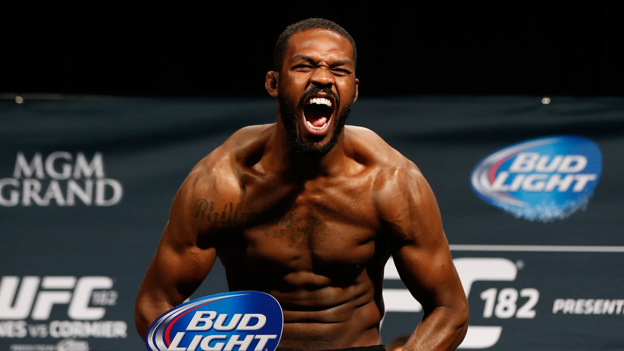
Jon Jones represents the opposite profile.
Rather than producing value mainly through major upsets, Jones spent much of his UFC career as a favorite. ESPN’s historical model still placed him fourth in total profit, with $1,470 earned from $8,079 risked and an 18% ROI.
That return is lower than Elkins’ percentage, yet Jones illustrates how sustained dominance can remain profitable even when sportsbooks consistently attach short prices.
The key issue is price. Betting a favorite at -200 is very different from backing the same athlete at -700. As public confidence grows, odds can become less attractive even when the fighter remains highly likely to win.
Amanda Nunes: Elite Performance and Strong Returns
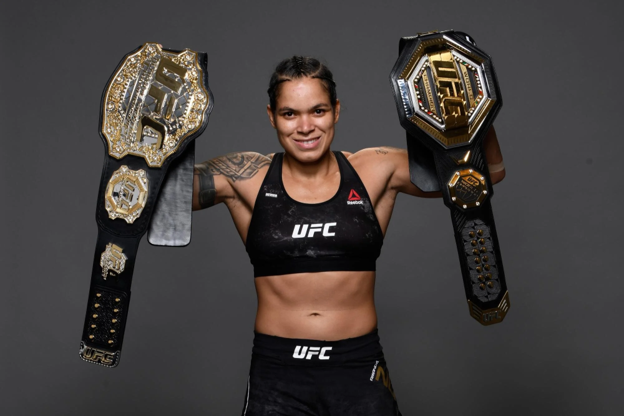
Amanda Nunes also became a notable betting investment during her championship run.
ESPN’s rankings credited Nunes with $1,190 in profit from $2,350 risked, producing a 51% ROI in the period studied. Her record includes wins over major names such as Ronda Rousey, Valentina Shevchenko, Cris Cyborg, Holly Holm, and Julianna Peña.
UFC Stats records Nunes at 23-5 and shows strong career numbers, including 51% significant-strike accuracy, 54% takedown accuracy, and 82% takedown defense.
Her career also shows why betting prices change quickly. Once an athlete establishes long-term dominance, sportsbooks adjust. Nunes was priced at -600 against Felicia Spencer at UFC 250; ESPN reported that a $1 million wager on Nunes returned only $166,666.70 in profit after she won.
Comparing Historic UFC Betting Returns
ESPN’s historical career-return calculations give a useful snapshot of how dramatically profitability can differ from fame or championship status.
| Fighter | Historical Profit | ROI |
| Frankie Edgar | $2,088 | 41% |
| Darren Elkins | $1,850 | 79% |
| Michael Bisping | $1,550 | 25% |
| Jon Jones | $1,470 | 18% |
| Rafael dos Anjos | $1,404 | 32% |
| Amanda Nunes | $1,190 | 51% |
| Robert Whittaker | $1,090 | 52% |
These figures come from a historical ESPN model based on repeated backing of each fighter rather than current betting projections.
How to Find Profitable UFC Fighters
Past returns alone should never determine the next bet. Sportsbooks constantly revise prices as fighters gain recognition, age, change divisions, suffer injuries, or face stronger opposition.
A more useful approach is to compare a fighter’s expected chance of winning with the implied probability of the available odds. Bettors can study striking accuracy, takedown defense, finishing rates, recent opponents, cardio, reach, weight-cut history, and stylistic matchups.
Public popularity also matters. Famous UFC fighters can attract heavy betting volume, causing prices to move even when their actual chance of winning has changed very little.
The most profitable UFC fighters to bet on historically have therefore shared one important trait: they beat sportsbook expectations. Frankie Edgar did it through consistency and favorable prices, Darren Elkins through repeated underdog value, Michael Bisping through major upsets, and fighters such as Jones and Nunes through prolonged dominance.
The best UFC betting returns rarely come from asking which fighter is best. The more useful question is which fighter is priced incorrectly.