
The Octagon has not even been locked yet, but UFC Freedom 250 already has its first opponent. It is not a heavyweight contender, a late replacement, or an undefeated prospect looking for the biggest win of his life. It is a federal lawsuit, and right now, that may be the most unpredictable fight on the card.
What was supposed to be one of the most dramatic sporting events in American history has turned into a legal and political battle over power, money, public land, and the meaning of patriotism itself.
UFC Freedom 250 was designed to be a spectacle: a full UFC event on the White House South Lawn, staged during America’s 250th birthday celebration, timed with President Donald Trump’s 80th birthday, and wrapped in the kind of flag-waving, stadium-sized production that Dana White and the UFC know how to sell better than almost anyone in sports. But, before fight night arrives, two Virginia residents and the Public Integrity Project are asking a federal court to shut the whole thing down.
The lawsuit argues that the event violated National Park Service rules, lacked congressional approval for construction on federal land, and moved forward without an environmental review.
The administration says this is a historic event tied to America’s semi quincentennial celebration and has called the lawsuit an obstructionist, baseless, and dilatory attempt to derail it. The plaintiffs see something very different. They argue that this is not really about America’s birthday at all, but about the UFC brand, Trump’s birthday, corporate sponsors, streaming money, and the political power of placing a fight cage at the front door of American government.
Mixed martial arts was once treated like an outlaw sport. It was banned, mocked, dismissed, and forced to fight for legitimacy. Now, decades later, the same sport is powerful enough to plant its Octagon beside the most famous residence in America. That is not just a promotional win. That is a cultural victory lap. It tells the world that MMA is not begging for acceptance anymore. It has arrived, and it arrived with cranes, lights, sponsors, cameras, and a cage.
The money questions make the story even bigger. The lawsuit points to reported VIP packages ranging from $1 million to $1.5 million, concerns about the streaming arrangement, and potential advertising tied to the Octagon and national landmarks. Brendan Ballou, the attorney leading the challenge, has said the lawsuit is not an attack on MMA itself, but on what he views as the corruption surrounding the event.
The Lincoln Memorial angle adds even more emotion. One plaintiff, Paul Romano, a retired Air Force sergeant and Vietnam veteran, called the memorial sacred ground and objected to using it as a backdrop for what he described as a for-profit cage fight. That argument gives the lawsuit a patriotic counterpunch. Supporters will frame UFC Freedom 250 as American toughness on display. Opponents will frame it as the commercialization of spaces that are supposed to belong to everyone.
The scale of the event also makes it impossible to dismiss. Trump has described the setup as a 5,000-seat arena right outside the front door of the White House, with additional screens planned for the Ellipse and as many as 85,000 free tickets expected across the viewing areas. And, that is why the lawsuit has already become part of the show. The UFC has always understood controversy. It does not run from outrage. It sells it. Every headline asking whether this event should happen only makes the event feel bigger. Every legal filing adds another layer to the drama. Every image of The Claw rising over the White House makes the country look twice.
For Dana White, this is the kind of moment that turns a fight promotion into an American institution. For Trump, it is another example of politics becoming television, television becoming spectacle, and spectacle becoming power. For the fighters, it may become the strangest walkout of their lives: entering a cage on the White House lawn while lawyers argue over whether the cage should have been built there in the first place.
Long before anyone throws a punch, kick, or elbow, UFC Freedom 250 has already become the kind of fight America cannot stop watching.
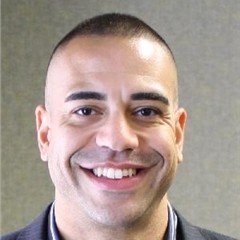
Andrew Carswell is a combat sports columnist and college writing professor, based in Las Vegas, NV, whose work examines the intersection of fighting, media, business, and culture. His commentary and analysis have been featured in various magazines, newspapers, and media outlets, including Yahoo! News, and USA TODAY. Blending journalistic insight and experience with a fan’s perspective, Carswell writes about the fight game as both a cultural phenomenon and a global business.