
Miami, Fl – In a sport defined as much by narrative as by violence, Carlos Ulberg’s victory at UFC 327 in Miami last Saturday was already epic. Fighting through a compromised knee and adapting mid-bout, Ulberg delivered one of the most resilient performances in recent memory. Yet, it was not only the fight itself that has captured the attention of the MMA world in the hours since, it was also what came after.
Appearing on The Ariel Helwani Show on Monday, Ulberg delivered a blistering and wholly unexpected critique of Jiri Prochazka, rejecting the Czech fighter’s post-fight claim that he had shown “mercy” during their bout. Ulberg’s response was immediate and emphatic.
“That’s total [expletive],” Ulberg said. “That was fear.”
The remarks marked a sharp departure from Ulberg’s typically measured demeanor. Known throughout his career as a respectful and composed competitor, Carlos Ulberg has rarely engaged in public disparagement of opponents. His comments, therefore, carried unusual weight, both for their tone and their target.
Prochazka, long regarded as one of the sport’s most enigmatic figures, has cultivated a persona rooted in discipline, spirituality, and a quasi-samurai ethos. That image has largely gone unchallenged inside the sport.
Many fans have argued that the UFC has invested deeply in this narrative, playing videos of Jiri, in the woods, caves or mountains, alone, every chance they get. Ulberg’s comments disrupted that consensus.
We’ve never heard Carlos Ulberg talk this way about anyone, and we’ve never heard anyone talk that way about Jiri Prochazka. On Monday, they both happened, at the same time.
“I think he’s a pretender,” Ulberg said during the interview, going on to suggest that Prochazka’s public identity is crafted more for audience appeal than competitive authenticity.
The criticism appears to have been fueled, in part, by Ulberg’s frustration with how the fight has been framed in its aftermath. According to Ulberg, the narrative that Prochazka exercised restraint diminishes the significance of what occurred inside the cage, particularly given the physical adversity he faced.
During the bout, Ulberg sustained a serious knee issue that limited his mobility and forced an immediate adjustment in strategy. He described the injury as severe enough to prevent him from placing weight on the leg, calling the pain “unbearable” at times, and he spoke on Monday as if surgery was a forgone conclusion. Despite that limitation, he remained composed, continued to engage, and ultimately secured the victory, with a check left hook for the ages.
From Ulberg’s perspective, the notion of “mercy” is not only inaccurate, but dismissive of that effort.
“What’s been taken away,” he said, “is someone who fought through adversity and still got the win.”
Ulberg also pointed to what he perceived as a lack of respect in the immediate aftermath of the fight, noting that Prochazka did not approach him following the bout. While such moments often go unnoticed, Ulberg suggested it contributed to his willingness to speak more candidly than usual.
The result is a rare and potentially significant shift in tone within the light heavyweight division. What might have been framed as a display of sportsmanship and resilience has instead evolved into a pointed dispute over legitimacy, identity, and narrative control.
Ulberg has also made clear that he has little interest in revisiting the matchup. He dismissed the possibility of a rematch and instead identified top contender Magomed Ankalaev as a more appropriate next opponent, signaling a desire to move forward rather than revisit controversy.
Whether Prochazka responds remains to be seen. What is certain, however, is that Ulberg’s comments have reframed the conversation. For years, Prochazka’s persona has been accepted as part of the sport’s mythology. Ulberg has now challenged that mythology directly, and in doing so, introduced a level of tension that extends beyond rankings or title contention.
In a division often searching for defining storylines, UFC 327 may ultimately be remembered not just for its outcome, but for the moment its aftermath altered the narrative landscape entirely.
If Ulberg will be out for an extended time due to surgery, what will become of the division, and Jiri Prochazka, in the meantime?
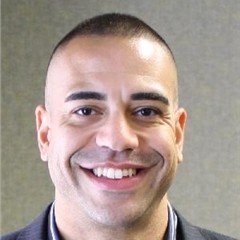
Andrew Carswell is a combat sports columnist and college writing professor, based in Las Vegas, NV, whose work examines the intersection of fighting, media, business, and culture. His commentary and analysis have been featured in various magazines, newspapers, and media outlets, including Yahoo! News, and USA TODAY. Blending journalistic insight and experience with a fan’s perspective, Carswell writes about the fight game as both a cultural phenomenon and a global business.