
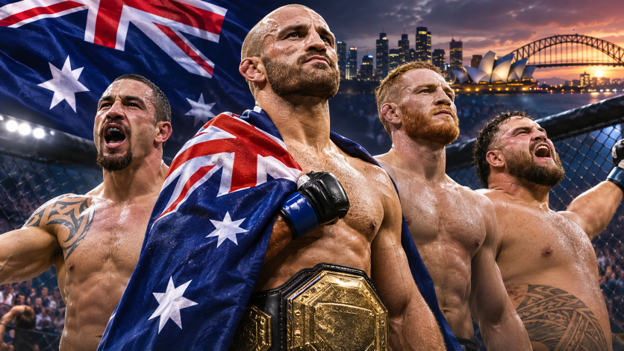
Over the past decade, mixed martial arts (MMA) has undergone a profound geographical shift. Once dominated predominantly by North American, Brazilian, and Russian fighters, the international fight landscape now looks toward the Southern Hemisphere for elite talent. Australia, a nation long celebrated for its rugby grit, cricket heritage, and boxing tradition, has officially established itself as a premier MMA superpower.
From pound-for-pound legends like Alexander Volkanovski and former middleweight champion Robert Whittaker to electrifying modern contenders like Jack Della Maddalena, Steve Erceg, and Tai Tuivasa, Australian fighters consistently dominate the highest tiers of the Ultimate Fighting Championship (UFC). This explosion in high-level success is no accident; it is the product of a uniquely resilient sporting culture, sophisticated local training pipelines, and an exceptionally engaged fan base.
Building the Foundations: Regional Promotions and Grassroots Pipelines
Before an Australian athlete ever steps foot inside the UFC Octagon, they are forged in a brutal, highly competitive domestic circuit. Regional leagues such as Eternal MMA, HEX Fight Series, Diamondback FC, and Urban Fight Night serve as vital proving grounds. These organizations provide raw prospects with professional experience, rigorous weight-cutting protocols, and exposure to diverse fighting disciplines.
Australian MMA gyms have also evolved from makeshift wrestling clubs into world-class sports science institutes. Facilities such as City Kickboxing (frequently hosting cross-Tasman talent), Australian Top Team, and Scrappy MMA integrate elite strength and conditioning, biometric tracking, and tactical counter-striking systems. This scientific approach ensures that Australian athletes transition to international leagues with world-class fight IQ and conditioning.
MMA-Based Digital Engagement and the Australian Gaming Culture
Australian MMA fighters are renowned for their calculated aggression—knowing precisely when to take a risk and when to pull back. That same appetite for low-risk, high-reward thrills is mirrored in the country’s digital gaming habits. Just as a fighter looks for opening strikes without overexposing their defense, casual fans exploring gaming outlets look for zero-risk incentives, such as Australian online casinos offering no deposit promotions, allowing them to test the waters without putting their own bankroll on the line.
This shared mindset of strategic risk assessment extends directly into Australia’s modern digital entertainment landscape. Australian sports enthusiasts are among the most technologically connected fans globally, creating an explosive crossover between combat sports fandom and digital interactive platforms.
During major UFC pay-per-view events—which typically broadcast on Sunday mornings down under due to time zone differences—the viewing experience extends far beyond the television screen. Australian combat sports fans actively engage in dynamic second-screen activities. Fight fans balance live-action streaming with real-time analytics, fantasy sports leagues, fight-night prediction apps, and online gaming environments.
Australia’s broader online gaming culture is deeply intertwined with sports fandom. The domestic market has seen massive growth in mobile entertainment, interactive sports simulators, and iGaming. Digital platforms cater to this audience by offering gamified experiences, loyalty programs, and risk-managed entry promotions. Whether analyzing fight statistics, engaging in online community forums, or exploring digital gaming outlets, Australian consumers demand high-speed responsiveness, intuitive mobile applications, and strong value incentives. This alignment of combat sports engagement with digital entertainment has created one of the most lucrative and interactive fan bases in world sport.
The Commercial Powerhouse: Media Rights, Sponsorships, and Live Events
The rise of Australian MMA has generated significant commercial momentum. The UFC’s return to Australian cities—hosting massive pay-per-view events in Sydney, Melbourne, Perth, and Brisbane—has consistently shattered gate records and boosted local tourism.
Mainstream broadcasting partners like Main Event, Kayo Sports, and Foxtel have reported record-breaking viewership numbers for cards headlined by local stars. This commercial surge attracts a wide range of corporate sponsors. From global athletic wear and nutrition brands to regional digital platforms and sportsbooks, commercial partners recognize the high lifetime value and passionate loyalty of the Australian sports demographic.
Conclusion: The Future of Australian Combat Sports
Australia’s transition into an MMA superpower is no fleeting trend. With grassroots participation soaring, high-performance training infrastructure expanding, and a dedicated, tech-savvy fan base backing every fight night, the nation’s influence inside the cage will only continue to grow. As Australian fighters continue to capture global titles and inspire the next generation, the country’s unique mix of athletic grit, strategic intellect, and digital fandom ensures Down Under combat remains a dominant force for decades to come.