
[Photo by Monkey Business on Canva]
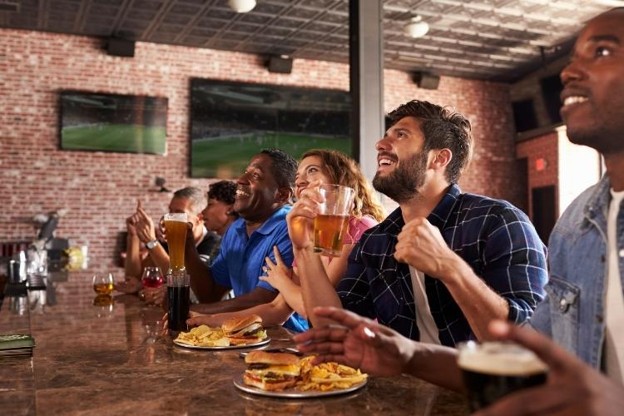
Fight night has always had a social side. Friends gather around a television, argue over predictions, order food, and stay up through a packed card to see whether the main event lives up to expectations. Traditionally, alcohol has often been part of that picture. But the way adults socialize around sports is becoming more varied.
For MMA fans, that can mean building a fight-night routine around good food, alcohol-free drinks, gaming, training, or simply watching the action with a smaller group of friends. Legal cannabis culture also sits within this wider conversation in places where adult use is permitted.
The result is a different type of fight night.
Why Fight Night Is Naturally Social
MMA lends itself particularly well to group viewing. A card can stretch across several hours, giving viewers plenty of time to talk between bouts, debate decisions, and predict upcoming fights.
Unlike watching a film, there is no need for everyone to remain silent. Discussion is part of the appeal. One person might focus on wrestling exchanges while another watches for striking patterns or tries to predict how each fighter will approach the next round.
That makes the surroundings important. Comfortable seating and a screen everyone can see matter more than elaborate decorations. Food that can be served gradually also works well because guests may arrive at different stages of the card.
Most importantly, hosts should know their audience. A gathering of dedicated MMA followers may happily watch every preliminary bout. Casual viewers could prefer arriving closer to the main card. Planning around those differences can make the evening more enjoyable without turning a simple watch party into a complicated event.
The Changing Role of Alcohol in Sports Culture
Drinking and spectator sports have a long cultural association, but having a few beers is no longer the automatic choice for every adult watching a fight.
Some viewers are training the following morning. Others may be driving home, avoiding alcohol for personal reasons, or simply dislike how drinking makes them feel the next day. That has created space for fight-night gatherings where alcohol is optional rather than central.
Hosts can accommodate different preferences without making a big issue of them. Keeping water, soft drinks, coffee, and alcohol-free alternatives available gives guests choices without requiring anyone to explain what they are or are not drinking.
Where Legal Cannabis Fits Into the Conversation
Cannabis occupies an unusual position within MMA culture. Discussions around it can touch on professional sport, regulation, personal lifestyle choices, and changing laws all at once. For adult fans, however, the most relevant distinction is between what professional fighters are permitted to do and what private individuals can legally do where they live.
Home cultivation is one example. In jurisdictions where growing cannabis for personal use is permitted, some adults approach it much like other forms of gardening: as a hands-on hobby that requires patience, attention, and an understanding of local rules. Seed specialists such as Growers Choice Seeds operate within this broader legal cannabis market.
Cultivation also shows why legality should never be treated as an afterthought. Rules can differ considerably depending on location, including whether home growing is permitted at all and what restrictions apply.
For readers researching particular varieties where cultivation is lawful, resources such as growerschoiceseeds.us illustrate how specific seeds sit within the wider home-growing market. The practical takeaway is straightforward: check the laws that apply where you live before considering cultivation, possession, or use.
That legal awareness matters far more than treating cannabis as simply another fight-night trend.
Recovery Culture Is Influencing MMA Fans Too
Another reason social habits are changing is the influence of MMA training itself. Plenty of fans do more than watch the sport—some train recreationally in Brazilian jiu-jitsu, boxing, wrestling, Muay Thai, or mixed martial arts.
Training can change how someone approaches a Saturday night.
If Sunday morning involves sparring, strength work, or several rounds on the mats, staying up late and drinking heavily may become less appealing. Sleep, hydration, meals, and rest start competing with the conventional idea of a big sporting night out.
That does not mean every MMA fan needs to live like a professional athlete. Instead, recreational training can make people more aware of how their leisure choices affect the next day.
How to Build a Better Fight-Night Routine
A good home fight night can be remarkably simple. Start with the event schedule and work backward. Decide which portion of the card everyone wants to watch, then plan food and arrival times around it.
A few practical choices can make the night run more smoothly:
- Serve food that is easy to eat without interrupting the fights.
- Provide several non-alcoholic drink options alongside any alcoholic ones.
- Arrange seating so guests can see the screen without constantly moving.
- Keep predictions informal rather than letting them dominate every bout.
- Be considerate of guests who have different preferences around drinking or legal cannabis.
- Plan transportation if anyone may consume something that could impair their ability to drive.
The goal is not to create the most elaborate UFC party possible. It is to make watching the fights easy and enjoyable.
Fight Night Is Becoming More Personal
There is no single correct way to be an MMA fan. Some people want the noise of a packed sports bar. Others would rather order food and watch the main card from their sofa. Some drink alcohol, some abstain, and some adults live in places where legal cannabis forms part of the available social landscape.
Final Thoughts
The best fight-night ritual is ultimately the one that fits the people watching. MMA provides the spectacle; everything around it is optional.
For fans reconsidering the traditional combination of sport and alcohol, there are plenty of alternatives. A relaxed home watch party, better food, alcohol-free drinks, an early night after the main event, or simply a quieter gathering can change the experience without taking anything away from the fights.
As MMA audiences and wider social habits continue to change, fight night is likely to become increasingly personal. What matters is creating an evening people actually enjoy, making responsible choices, and letting the action inside the cage remain the main event.