
Introduction
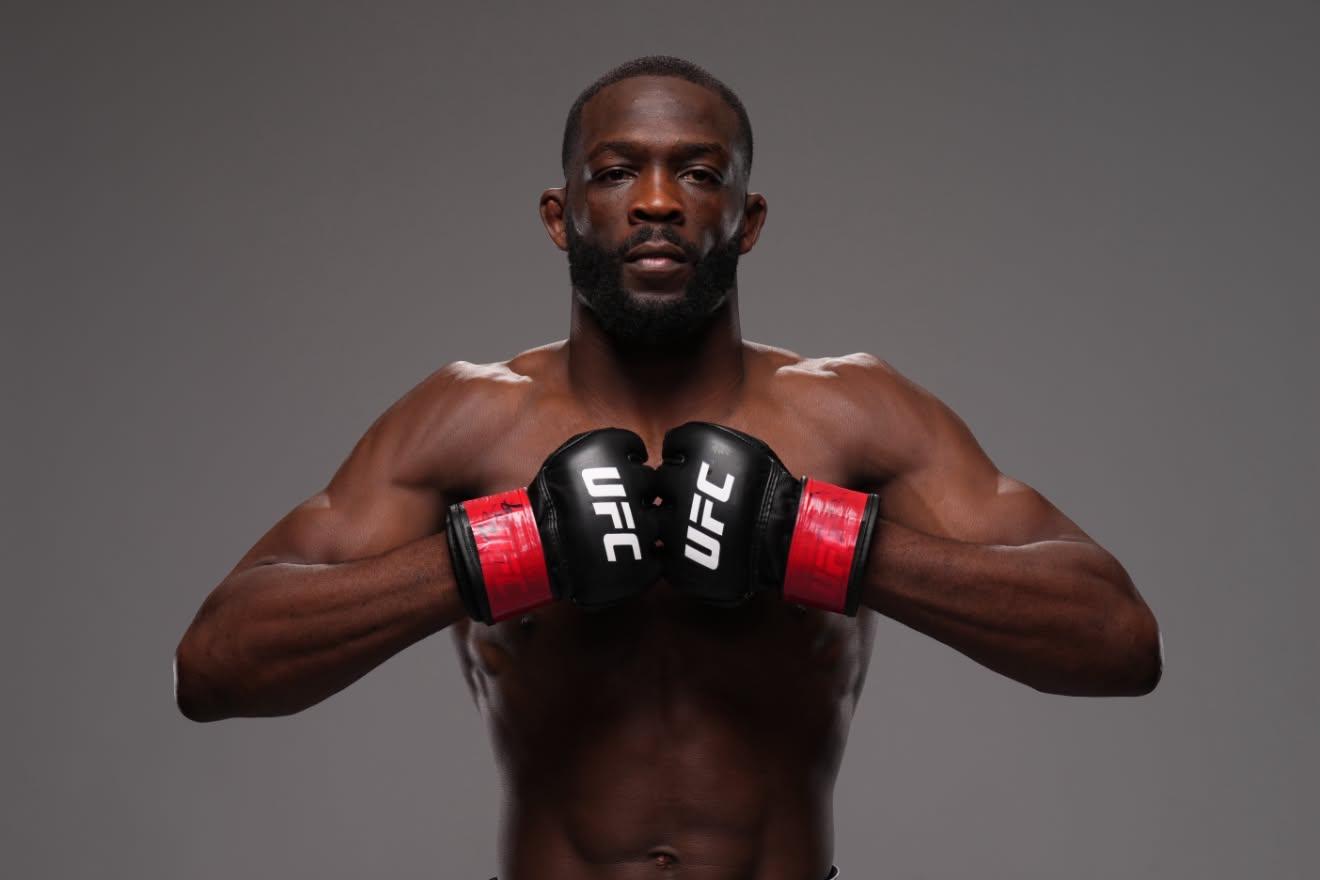
Tommy Gantt doesn’t fit the typical UFC timeline – and he’s not trying to. The undefeated lightweight didn’t step into MMA until age 30, already carrying an All-American wrestling pedigree. He also holds a Master’s Degree in Social Work. Rather than ease in, he attacked the clock: over ten fights in a single year, a run through the Carolinas regional circuit and Dana White’s Contender Series. Then, a UFC debut capped by a 2nd round TKO.
Now 1-0 in the Octagon, Gantt returns September 12th against Drakkar Klose – his toughest test yet, and his first UFC fight outside the APEX. In this interview, Gantt talks about the risk he took leaving a coaching job at NC State to chase this full-time, the influence of mentors like Daniel Cormier, and what life at 30-plus looks like in a sport built for younger people.
FightMatrix: So, your second UFC fight is coming up, on Sept 12th against Drakkar Klose. He’s a Michigander like myself, but I’ll be rooting for you! What are your thoughts on him as a matchup?
Tommy Gantt: I just first wanted to thank you and everyone at Fight Matrix for making me the 2024 Fight Matrix Rookie of the Year. I definitely noticed an increased level of attention and recognition from the fans and on social media after your article about me. The UFC is very interested now in the kind of attention you get from the public so I appreciate you guys helping raise my profile and always supporting me after.
I think Drakkar is obviously a tough guy. No one who sucks has a UFC record of 10-3. I think the UFC wants to test me and find out whether I’m a piece of coal or a diamond, but I already know the answer. Everyone else is about to find out.
I don’t look for or like manufactured drama and story lines. Artur Minev kept it respectful and I have absolutely nothing bad to say about him. I wish him the best moving forward. Klose decided to run his mouth about the quality of my opponents in my pre-UFC career. He doesn’t know how many opponents actually turned me down or never even responded once they got my name. It was very hard for me to get fights before the UFC and I’ll leave it at that. There is a reason no one currently on the UFC roster wanted to step in, and fight me on short notice, after Ogden stubbed his toe. Klose is about to find out why.
I’m taking Klose very serious like I do all my opponents. To Klose’s credit, he is certainly the most accomplished opponent that I’ve faced. I’m looking forward to staring across the cage at him, feeling that canvas on the soles of my feet, hearing that pin drop and breaking him mentally and physically in 15 minutes or less.
FM: You didn’t start MMA until age 30, after already being an All-American wrestler and earning a degree in Social Work. Do you feel that you have the advantage mentally with competing due to your age, and life experiences?
TG: That’s a great question. Honestly, I fought as often as I possibly could, after making my amateur debut at 30 years old. I knew the UFC didn’t really sign guys over 30. The race against the clock was on for me.
Fighting as often as did before the UFC was really for two reasons, one was to build the kind of record that would get the attention of the UFC quickly because of their lack of interest in guys being over 30.
The other reason that I fought as often as I did was because even though I had only been doing MMA a very short time, I knew I could get more fights, more time in the cage, and more actual experience than guys who may have started training, way before me. In hindsight, I think fighting as often as I did accomplished both of those things.
Now that I’m actually in the UFC, I don’t think my age is a hindrance at all. A guy like Adam Livingston, who I fought last year, may have started the sport long before me, but you saw what happened when he fought. Livingston can move to State College Park, Pennsylvania and take privates from Cael Sanderson everyday until he’s my age. He still will never be able to stop my takedowns, or defend himself from me on the ground.
I actually think that me being a little older works in my favor. I haven’t been doing the sport that long. I get better everyday I go the gym. It’s still newer to me than it is all these other guys. I also have years of national and international wrestling training, and competing to draw from that no one else at Lightweight has.
FM: I think social workers are actually amazing. When I worked in healthcare, I met some good ones. Why did you go to school for Social Work?
TG: I went into social work because I actually wanted to try and make places like the one I grew up in, better. Centreville is a rough place to grow up. It’s hard to make it out of there. I was very fortunate that I had both an amazing father and mother that provided great example, held me accountable, and wouldn’t let me fall in with the wrong people. Not everyone else who lives there is as fortunate. I wanted to help break the cycle that kids from there and other inner cities fall into. Obviously, it’s not an easy cycle to break. So I was hoping that through social work, I could make a meaningful difference.
FM: Did you feel hesitation, when you left your job as Assistant Wrestling Coach, at North Carolina State University?
TG: As you already know, I had three kids, and my coaching job at NC State provided them and myself health insurance, and a salary I could live off of. So I wasn’t really overly excited about leaving coaching because I officially left my assistant coaching position at the conclusion of the NCAA National Tournament in March of 2025. I wasn’t signed to the UFC until September so going six months without making money was not ideal.
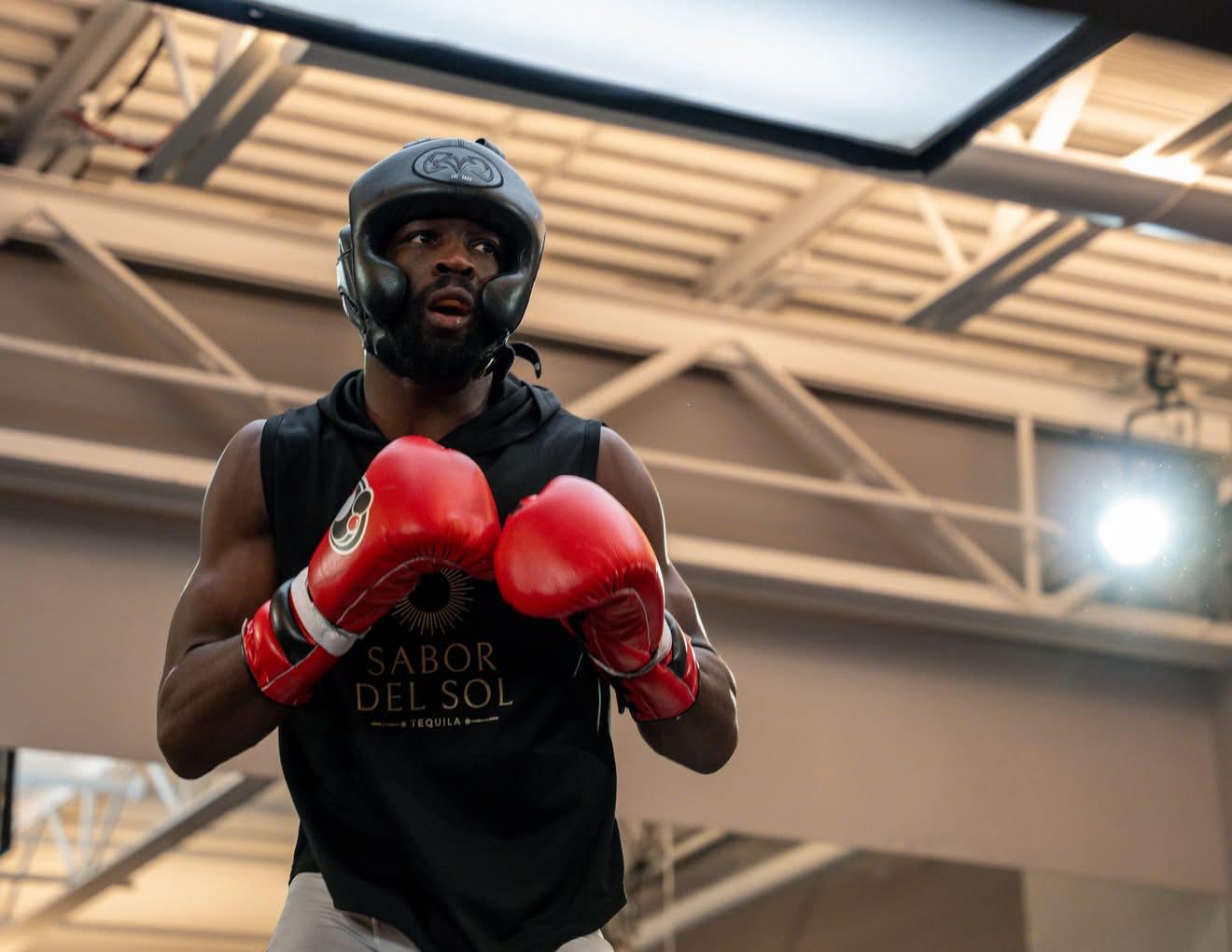
But in hindsight, it was necessary for me to leave coaching and train full time. What actually prompted me to leave coaching was in the middle of my last season as a coach, the Head Coach at N.C. State and my boss named Pat Popalizio approached me and told me that he had watched a high level, main event in the UFC at Lightweight, and he felt that I could beat both of those guys if I was in the correct training situation.
He also told me that it would be impossible for me to accomplish what I could in fighting, while having to coach full time. Pat is like an uncle to me. He coached me while I was in college and he still worked with me while I was wrestling internationally. He obviously wanted what was best for me so we both agreed that I had to really pursue fighting, and I couldn’t juggle both fighting, and coaching anymore.
FM: I understand that you have three children. Do your kids partake in any martial arts, wrestling, or boxing?
TG: I will put my son is wrestling to make him tough, but I would discourage my son from fighting. I enjoy fighting myself, for sure, but I don’t want my son getting punched in the head for money. If I do what I have to over the next couple of years, he’ll have many opportunities in life that don’t involve getting punched.
FM: How does your family feel about your career advancements?
TG: Overall my family doesn’t love it. But they know that I enjoy it, so they just accept it, and my brothers are a little more interested in watching my fights and cheering me on.
FM: Your UFC debut was at the Apex. Your upcoming bout with Drakkar Klose is going to be your first time fighting in a large arena. How are you preparing for that type of atmosphere?
TG: To be honest nothing will really change for me as far as fighting at the APEX, compared to fighting in front of a large crowd at a Fight Night or PPV. I’ve wrestled against Oklahoma State in front of their home crowd at Stillwater. That OSU arena probably fits close to 14,000 people. I’ve wrestled at Madison Square Garden.
I’ve attended a couple of the bigger UFC fights as a spectator. Once that pin drops, I get tunnel vision. Before the UFC, I’ve fought in an abandoned high school gymnasium in West Virginia, and I’ve fought at the Mohegan Sun Arena where they used to hold UFC PPV events years ago. Once that cage door locks, it’s all the same.
FM: Have you learned lessons from your UFC debut against Artur Minev, and is there anything you would do differently?
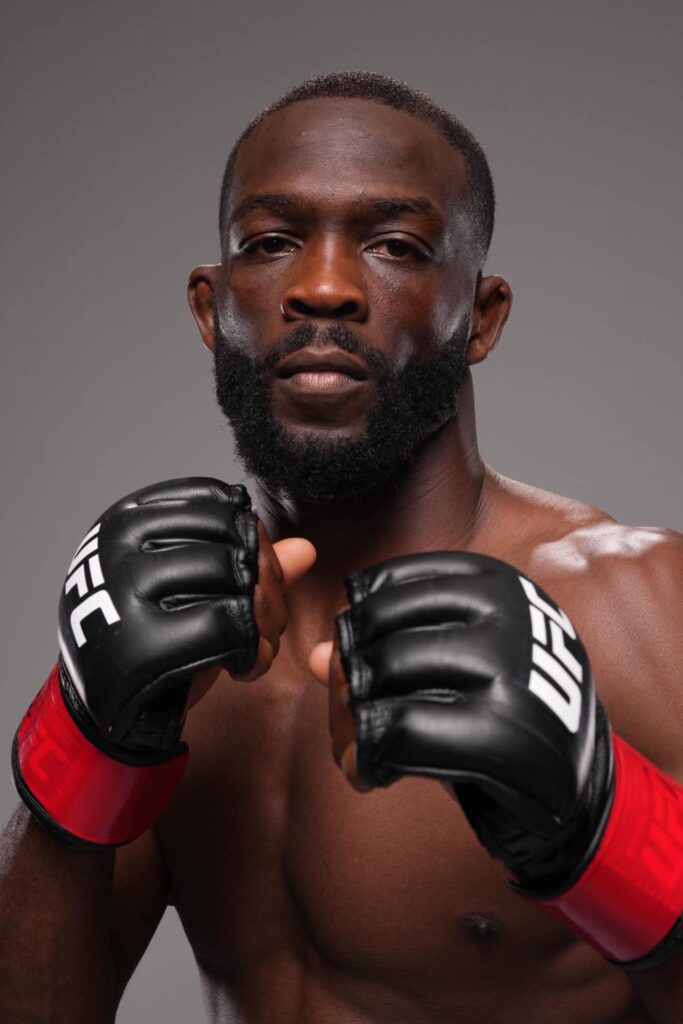
TG: Looking back, there really isn’t much I’d do differently against Minev. Minev was a last minute replacement because my original opponent, Trey Ogden stubbed his toe or something like that. One of the things wrestling has done for me is that it has made me very coachable. My two main cornermen, Bob Cook and Dave Branch both told me that Minev was much different stylistically than Ogden, being that Minev actually knew how to punch and be had good timing on the feet. They wanted me to fight towards my strength and test Minev’s wrestling and his cardio and I did exactly what I was told to do by my coaches and it all worked out.
FM: Where do you train, and who are your main coaches, and training partners?
TG: My main gym is The Academy in Gilroy, California. My main coaches are Daniel Cormier, Bob Cook, and Dave Branch. I also get a lot of help Rosendo Sanchez, Tiago, Jesus, Leandro Viera, Mike Jaramillo and when I’m in North Carolina, I work with Joe Solecki as much as possible.
My main partners are Anthony Figueroa, Alex Sanchez, Trey Orlando, Rodrigo Sezinando, AZ, Dimitri Joel, and Alan Salamov.
FM: What’s your thoughts on the PFL-MVP merger, and do you think it will affect the MMA landscape?
TG: To be completely honest, I haven’t paid much attention to the PFL- MVP merger. I have no interest in fighting anywhere except the UFC. For all the talk of fighter pay, being a champion in the UFC is still the most money in MMA, and pretty much the only way to guarantee yourself a comfortable lifestyle once you retire.
A lot of other organizations have come and gone long before I ever started fighting. The only constant in the sport has been the UFC and it still continues to grow culturally and economically. Pride, Elite XC, the IFL, Bodog, StrikeForce, WEC, Affliction, Bellator, and now the PFL have all ceased operations in one form or another so I don’t really pay attention to any other organizations.
FM: I understand you have trained under Daniel Cormier, a guy who’s lived every version of this career – champion, analyst, all of it! What’s the most important advice he has given to you?
TG: Honestly, the way he pushes me and the technique he shows is something you just can’t learn, or get anywhere else. He was obviously more successful in wrestling than I was, but neither one of us was happy with what we achieved in wrestling, or how our wrestling careers ended. We both probably stayed one Olympic cycle too many. Fighting was a chance for us both to continue to compete after wrestling ended. But the main difference now is that I am still chasing what he already won and he helps me get closer to achieving that every single day we go to practice.
Outside of fighting, we just have a big brother, little brother relationship but as soon as we step in that practice room, he’s all business.
FM: Tell me, what advice would you give someone who is starting out in MMA?
TG: Don’t skip wrestling days.
FM: Is there anything else you would like to share with your fans, and our audience.
TG: I just want to thank you personally as well as FightMatrix as a whole for the early and continued support. I will always have an extra appreciation for the fans who were with me early on. If you don’t like me or my fighting style for whatever reason, I promise to do my best to continue to disappoint you.
Conclusion
Say what you want about Tommy Gantt, but the guy backs up his words. Late start, three kids, a career he walked away from – and he still talks about breaking Klose down like it’s inevitable. That kind of certainty usually comes from somewhere real, and hearing him credit his wrestling background, and coaches like Daniel Cormier for that mindset, it’s easy to see why he believes it.
Whether you’re rooting for him or against him, Tommy made it clear he’s not chasing storylines – he’s chasing results. We’ll find out on September 12th if the confidence matches the performance. Don’t miss Tommy Gantt vs. Drakkar Klose on Paramount+.
Combat Sports & Martial Arts Writer| Partnership Marketing and Digital Strategy Lead (Combat Sports)
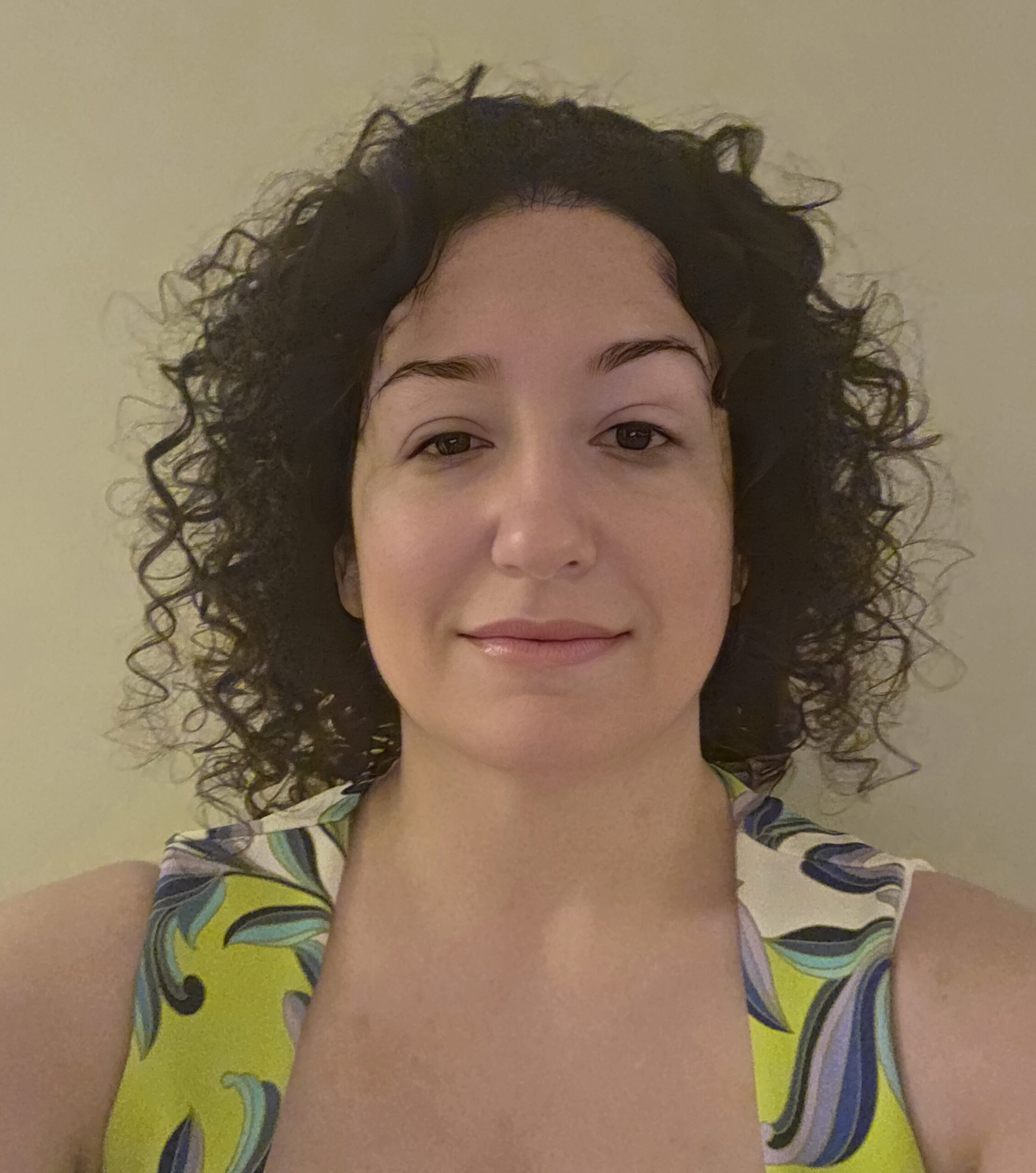
I have been an avid viewer of Boxing and MMA for almost three decades. Since 2001, I have enjoyed watching the UFC. I hold an academic background in Gerontology from Madonna University, and spent 25 years working across both clinical and non-clinical healthcare settings. But a lifelong passion for writing and martial arts eventually pulled me toward a new chapter. Today, I write for FightMatrix.com. Additionally, I interview professionals in the Combat Sports sector.
Good stuff. Go Tommy Go!