
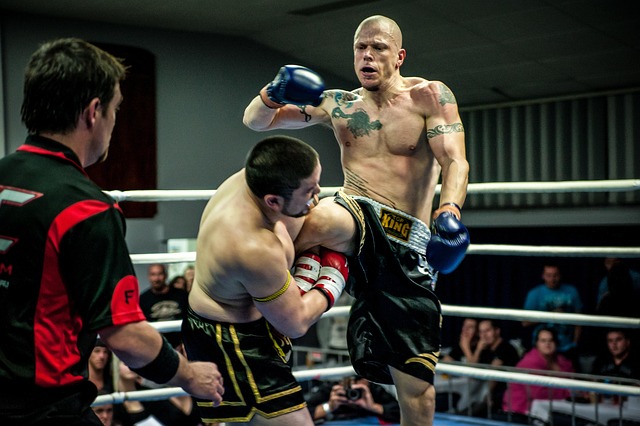
Ask any tourist what sport they know from Thailand, and the answer is almost always Muay Thai. Fair enough. It’s fast, it’s brutal, and it’s everywhere, from gym signs in Bangkok to fight nights in beach towns. But Muay Thai is just one branch of a much older family tree. Thailand has been producing fighters for centuries, and several of these older arts are still alive today, just quieter and less famous. If you’re the type of traveler who likes to dig past the obvious, here’s what else is out there.
Muay Boran: The Ancestor of It All
Before there were gloves, rings, or referees, there was Muay Boran, which simply means “ancient boxing.” This is the raw version of Thai fighting, developed for real combat rather than sport. It included grappling and ground techniques that modern Muay Thai dropped once it became a regulated ring sport in the 1920s and 30s. Fighters used to wrap their hands in rope instead of gloves, which made every strike sharper and more dangerous. If you’ve seen a Tony Jaa movie, you’ve already seen Muay Boran in motion, since his fight scenes borrow heavily from it.
Krabi Krabong: Swords Instead of Fists
This one surprises most visitors, because it barely resembles Muay Thai at all. Krabi Krabong is a weapons-based art, built around a curved sword called the krabi and a long staff called the krabong. It was developed for actual warfare, used by Thai soldiers and even the royal guard. Historically, Krabi Krabong and Muay Boran worked as a pair. If a soldier’s weapon broke mid-battle, he would switch straight into unarmed striking without missing a beat. Some schools in Phuket and Chiang Mai still teach it today, complete with the ceremonial sword dances that once opened a match. It looks more like a performance than a modern fight, and that’s exactly its charm.
The Regional Cousins: Chaiya, Korat, and Lopburi
Thailand isn’t one uniform fighting culture. Different regions developed their own styles long before Muay Thai unified the rules nationally. Muay Chaiya, from the south, is built around tight defense and technique over brute strength, which made it effective even against bigger opponents. Muay Korat, from the northeast, leans on powerful long-range strikes and a distinctive neck-clinch to control an opponent. Muay Lopburi, one of the oldest styles, focuses on speed and footwork, wearing an opponent down before striking. Each style tells you something about the people who created it, whether that’s patience, power, or persistence.
Where a Tourist Can Actually See This Stuff
You won’t stumble onto Krabi Krabong the way you stumble onto a Muay Thai gym on every corner. These older arts survive mostly through dedicated schools, cultural centers, and the occasional festival demonstration, particularly around Ayutthaya, where a lot of this history began. A short krabi-krabong class or a Muay Boran demo makes a genuinely different souvenir than another temple photo. It’s history you can feel in your arms the next morning.
Why Muay Thai Still Runs the Show
Here’s the thing though. Muay Boran, Krabi Krabong, and the regional styles are fascinating, but they’re mostly preserved as heritage now, not as an active competitive scene. Muay Thai is the one art from this whole family that turned into a living, breathing sport, with real matches, real stadiums, and real fighters competing every week. If watching these older arts sparked your curiosity about Thai fighting culture as a whole, Muay Thai is where that curiosity becomes something you can actually follow and enjoy live. If you want to Bet on Muay Thai while you’re taking in a match, it’s a simple way to get more invested in the fight in front of you.
Thailand’s fighting history runs a lot deeper than one popular export. Muay Thai just happens to be the branch that grew the tallest.