
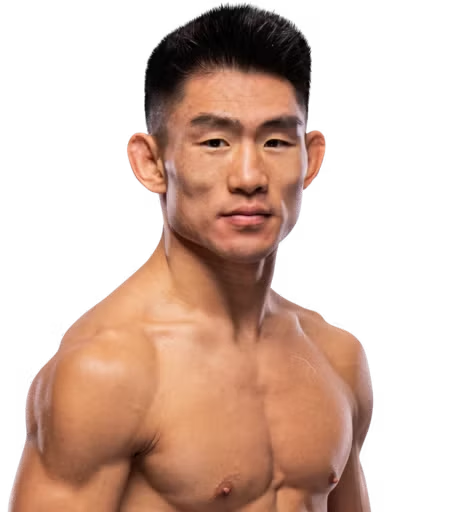
Macau, China – UFC Macau was built around a homecoming, and by the end of the night, Song Yadong made sure the crowd at Galaxy Arena had something to celebrate. After a card full of early finishes, upset moments, and uncomfortable reality checks, China’s top-ranked male fighter closed the show with the kind of performance that turns a regional main event into a career statement.
Song submitted former UFC flyweight champion Deiveson Figueiredo in the second round of the bantamweight main event, finishing the fight with a guillotine choke at 4:42. It was not just another win. It was Song’s second victory over a former UFC champion in 15 months, and it came in front of a crowd that had waited years to see him fight again on Chinese soil.
The fight started slowly, with both men respecting the other’s power and speed. Figueiredo looked to test Song with takedown attempts, but he could not get the fight where he wanted it. In the second round, Song began to press forward, found his rhythm, and punished Figueiredo enough to force a desperate level change late in the round. That was the opening Song needed. He latched onto Figueiredo’s neck, squeezed, and forced the tap.
For Song, the win was about more than rankings. He had not fought in China since 2018, and after the fight he said he had waited eight years for that moment. Then, when asked what top-10 opponent he wanted next, he gave the kind of answer fighters give when they know the night already belongs to them: he did not care. He would take whoever the UFC gave him.
That confidence fit the mood of the night. UFC Macau was not a patient card. It was violent, strange, and often unforgiving. Sergei Pavlovich needed only 39 seconds to remind the heavyweight division that his power still changes conversations. Tallison Teixeira barely had time to settle into the fight before Pavlovich stormed forward, landed heavy right hands, and finished the job before the first minute expired.
The win was Pavlovich’s third straight and immediately pushed him back into the title conversation. Afterward, he called for either a championship fight or a No. 1 contender bout. With Ciryl Gane and Alex Pereira set to fight for heavyweight gold, Pavlovich made his message simple: he wants the winner. In a division where one punch can erase an entire game plan, that kind of statement matters.
Alonzo Menifield delivered another major moment in the co-main event, and he did it by silencing the building. Zhang Mingyang entered as the home-country favorite, but Menifield spoiled the party with a first-round TKO. It was the kind of fight that looked like it might be decided by whoever made the first major mistake. Both men swung heavy, both looked dangerous, and eventually Menifield found the opening.
The win was especially important because Menifield had recently gone through a rough stretch, including knockout losses to Azamat Murzakanov and Carlos Ulberg. In Macau, he looked like a fighter who had learned from those setbacks. He said afterward that he was finding a new gear, understanding who he wanted to be, and still wanted to entertain while fighting smarter. Then he called for a top-10 opponent. After a 3-1 run in his last four fights, that request no longer sounds outrageous.
Angela Hill also authored one of the night’s most important reality checks. Xiong Jing Nan entered her UFC debut with major expectations after a legendary run in ONE Championship, where she became the inaugural ONE strawweight MMA champion and won 14 of her previous 15 fights. Many fans expected her to arrive in the UFC as an immediate factor.
Hill had other plans.
The veteran outstruck Xiong across three rounds and won a clean unanimous decision, 30-27 on all three scorecards. It was not flashy, but it was decisive. Hill used her experience, pace, and striking comfort to make Xiong look ordinary in a way few expected. Online reaction quickly turned harsh, with fans calling it a “fraud check,” but the better description may be a veteran check. Hill reminded everyone that UFC depth is different, and even accomplished champions from outside promotions do not get easy introductions.
Kai Asakura had the opposite kind of debut-style statement. Back at bantamweight, he looked sharper, faster, and more dangerous, finishing Cameron Smotherman by first-round knockout at 1:50. A right hand put Smotherman in trouble, and a left hand ended the night. It was the kind of performance fans expected when Asakura first came to the UFC, and it immediately makes him a problem in a division that already has too many problems.
Jake Matthews added a complete veteran performance of his own, dominating Carlston Harris across three rounds to win by unanimous decision. The scorecards told the story: 30-25, 30-27, and 30-27. Matthews battered Harris on the feet, controlled him on the ground, and nearly found the finish in the third. It was not the loudest performance of the night, but it may have been one of the cleanest.
The main card opener between Sumudaerji and Alex Perez ended in frustration. Sumudaerji appeared to be building momentum after dropping Perez early in the second round, but an accidental low blow left Perez unable to continue. The fight was ruled a no contest at 1:45 of Round 2, cutting short what had been shaping up as a possible breakthrough moment for “The Tibetan Eagle.”
That was the story of UFC Macau: momentum kept shifting, but the card never lost energy. Chinese fighters had a difficult night overall, with Xiong and Zhang both falling in high-profile spots, but Song’s main event win saved the emotional arc of the show. The crowd got its closing celebration. The UFC got a stronger bantamweight contender. And Song got the kind of home-country moment fighters spend years chasing.
In the end, UFC Macau worked because it had layers. It had a hometown hero delivering under pressure. It had a heavyweight wrecking machine demanding a title shot. It had a veteran underdog spoiling a local favorite’s rise. It had a former ONE champion learning how unforgiving the UFC can be. It had quick knockouts, strange controversy, and enough post-fight callouts to keep several divisions moving.
Song Yadong walked out of Macau as the face of the night, but he was not the only fighter who left with momentum. Pavlovich is back in the heavyweight title picture. Menifield wants the top 10. Asakura looks reborn at bantamweight. Hill proved there are levels to veteran craft.
UFC Macau, from the first-round chaos to the main event finish, reminded everyone why international Fight Nights can still hit like numbered events.
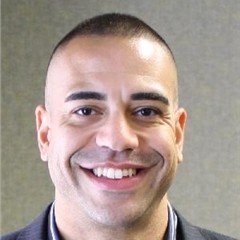
Andrew Carswell is a combat sports columnist and college writing professor, based in Las Vegas, NV, whose work examines the intersection of fighting, media, business, and culture. His commentary and analysis have been featured in various magazines, newspapers, and media outlets, including Yahoo! News, and USA TODAY. Blending journalistic insight and experience with a fan’s perspective, Carswell writes about the fight game as both a cultural phenomenon and a global business.