
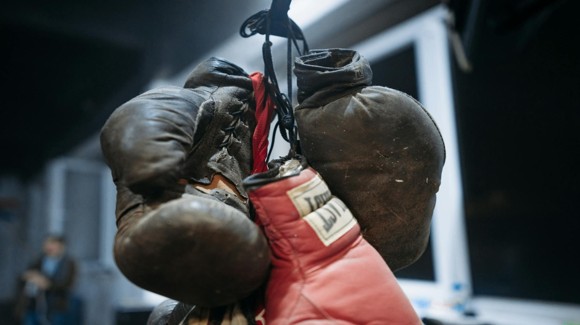
Photo by: Pavel Danilyuk | Source: Pexels
Have you ever found yourself confused by the rankings in combat sports?
Boxing has long struggled with ranking systems that seem arbitrary and inconsistent. This chaos not only affects fighters but also impacts fans’ trust in the sport. MMA, while still developing its own ranking system, can learn valuable lessons from boxing’s missteps.
Understanding these challenges can lead to a more credible and transparent environment for fighters and fans alike. Let’s explore how boxing’s ranking chaos can ultimately guide MMA to establish a more trustworthy framework.
The Importance Of Rankings In Combat Sports
Rankings play a crucial role in combat sports. They help determine title shots, fight promotions, and fan engagement.
When rankings are clear and trustworthy, both fighters and fans can feel confident in the system. This helps athletes plan their careers, while fans can enjoy more exciting matchups.
However, when rankings become muddled, it leads to confusion and frustration. The consequences can be significant, including:
- Loss of fan interest
- Mistrust among fighters
- Difficulty in promoting fights
Establishing a system that promotes credibility is essential for the long-term health of any sport, including MMA.
Learning From Boxing’s Ranking Issues
Boxing has faced numerous challenges with its ranking systems, often leading to public outcry.
Promotions, governing bodies, and even media outlets have their own rankings. This results in a lack of standardization, where the criteria for ranking may differ widely.
MMA can avoid these pitfalls by:
- Implementing unified criteria for rankings
- Establishing a transparent voting system
- Engaging both fighters and fans in the process
By focusing on transparency, MMA can create a more stable and reliable ranking system that resonates with fans.
The Role Of Transparency In Rankings
Transparency fosters trust. When fans and fighters understand the criteria behind rankings, they are more likely to accept them.
In boxing, many have questioned the motives behind certain rankings. This skepticism often arises from perceived biases or lack of clarity in the decision-making process.
MMA can combat this through:
- Regular updates on ranking criteria
- Open forums for discussions between fighters and promotions
- Publishing detailed reasoning for any controversial ranking decisions
When the process is visible, fans will appreciate the effort in creating a fair system. This makes for a more engaged audience and a more successful sport overall.
Engaging Fans And Fighters In The Ranking Process
Having a say in the rankings can transform how both fans and fighters view the sport. When people feel included, they are more likely to support the rankings.
MMA promotions can look at innovative ways to involve their audience. This could include:
- Polls to understand fan preferences
- Open discussions on social media platforms
- Interactive sessions with fighters discussing their rankings
By allowing fans to partake in the ranking process, MMA can foster a sense of community and loyalty. A platform like สล็อตเว็บตรง can provide examples of how engagement positively impacts a fan base.
Establishing A Unified Ranking System
One of the key issues in boxing is the existence of multiple competing rankings. This lack of a unified system muddles the waters for everyone involved.
MMA can build a more coherent structure by:
- Designating a single governing body to oversee rankings
- Standardizing criteria across all promotions
- Collaborating with media sources to share consistent information
Creating a unified ranking system not only simplifies things but also enhances credibility. A centralized approach helps fans easily understand who’s on top and why. You can use a ranking system to help you bet on fights at Revolution Casino.
The Future Of Rankings In MMA
As MMA continues to grow in popularity, the importance of a trustworthy ranking system will only increase.
The sport is still maturing, and there’s plenty of room for improvement. By taking lessons from boxing’s ups and downs, MMA can pave the way for a more robust and reliable ranking system.
Key areas for development include:
- Emphasizing fan engagement
- Prioritizing transparency
- Establishing unified criteria across promotions
These steps will help legitimize MMA as a sport and ensure its rankings reflect the true skill of the fighters involved.
Conclusion
It’s clear that boxing’s ranking chaos presents an opportunity for MMA to improve its own credibility and transparency. The lessons learned can guide MMA as it develops its structure, ensuring that fighters and fans can trust the rankings they follow. By prioritizing engagement, clarity, and consistency, MMA can create a ranking system that not only enhances the sport but also strengthens its community.