
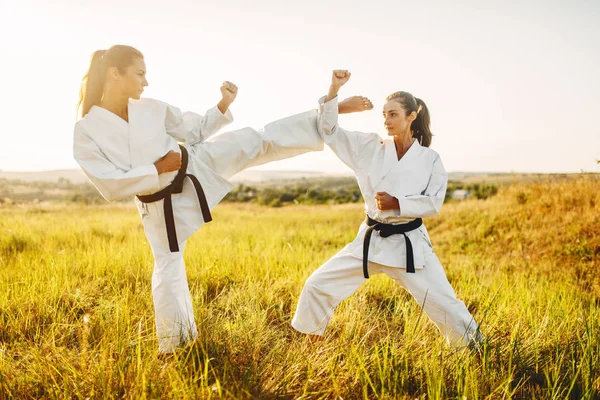
Choosing a martial art becomes much easier when you begin with a clear purpose.
Some people want practical self-defence skills, while others aim to improve fitness, sharpen mental focus, compete, or become part of a supportive training community.
Each discipline develops a different mix of movement, strategy, conditioning, and personal qualities. By comparing these elements with your interests, schedule, and physical preferences, you can choose a practice that keeps you motivated for years.
Start by Defining Your Main Goal
A clear goal narrows the options and helps you evaluate each training programme. Think about the result you would most like to achieve before comparing individual styles.
Practical Self-Defence
For practical self-defence, choose a discipline that teaches awareness, controlled responses, distance management, and realistic partner drills. Brazilian jiu-jitsu, judo, boxing, Muay Thai, and Krav Maga all develop useful skills through different methods.
Boxing teaches footwork, defence, timing, and accurate striking. Brazilian jiu-jitsu focuses on control and escapes when a confrontation reaches the ground. Judo develops balance, grip control, and throws. A school that combines clear instruction with regular partner practice can help students apply techniques confidently.
Physical Fitness
Martial arts can provide a complete workout that develops coordination, stamina, mobility, and muscular strength. Boxing and Muay Thai sessions often include pad work, bag drills, movement exercises, and conditioning.
Taekwondo develops flexibility and dynamic kicking ability, while wrestling and judo build full-body strength through close-contact movement.
Consider the type of exercise you naturally enjoy:
- Fast striking combinations and footwork
- Throws, grips, and controlled falls
- Ground-based movement and positional practice
- Traditional forms and precise techniques
- High-energy conditioning sessions
Enjoyment matters because consistent attendance produces the strongest long-term fitness results.
Competition and Athletic Progress
If competition interests you, examine how clearly the martial art supports measurable progress. Boxing, kickboxing, wrestling, Brazilian jiu-jitsu, judo, karate, and taekwondo have established competitive formats.
A suitable gym will explain how students advance from basic drills to controlled sparring and formal competition. Coaches should also help students set realistic milestones involving technique, conditioning, tactics, and match preparation.
Match the Training Style to Your Personality
The culture and learning method of a martial art can be as important as its techniques. A class should suit the way you prefer to learn, practise, and interact with others.
Structured and Traditional Practice
Karate, taekwondo, and many forms of kung fu often follow a structured syllabus. Students practise stances, forms, combinations, partner drills, and etiquette. Belt systems provide visible milestones and encourage steady technical development.
These disciplines may suit people who appreciate routine, precision, and formal instruction. Repeating movements also builds concentration, balance, and control.
Direct and Fast-Paced Training
Boxing, Muay Thai, and kickboxing often use energetic sessions built around combinations, pad work, bag work, and movement. Students receive immediate feedback from coaches and training partners.
This format suits people who enjoy active classes and frequent skill application. It can also appeal to students who prefer learning a small group of techniques in considerable depth.
Strategic Ground-Based Practice
Brazilian jiu-jitsu is often compared to a physical form of problem-solving. Students learn positions, escapes, transitions, and submissions, then apply them during controlled rounds with training partners.
Judo and wrestling also require tactical thinking, timing, and an understanding of body position. These arts can suit people who enjoy analysing movement and adapting their approach during live practice.
Consider Your Body, Schedule, and Recovery
A sustainable choice should fit comfortably into your weekly routine. Training frequency, class length, recovery habits, and access to instruction all influence consistency.
Select a Comfortable Training Format
Visit a few schools and observe how the classes are organised. Some sessions focus heavily on technique, while others combine instruction with conditioning and partner drills. Beginners often benefit from classes that explain movements clearly and allow enough repetition.
Ask about:
- Beginner class times
- Recommended weekly attendance
- Class size and coaching support
- Required clothing and equipment
- Progression into partner drills
- Options for recreational or competitive training
Two well-planned sessions each week can establish a strong foundation. More sessions can be added as fitness and technical confidence develop.
Build Recovery into the Routine
Rest supports learning because the body uses time between sessions to adapt to new movement patterns. Sleep, hydration, balanced meals, mobility work, and calm post-training routines all contribute to consistent practice.
Some athletes use stretching, light walking, massage, or home saunas as part of a broader relaxation routine. Heat sessions should complement hydration and rest rather than replace them. Choosing recovery methods that fit your schedule can help you return to class feeling prepared and focused.
Evaluate the School and Instructor
The quality of instruction strongly shapes the training experience. Two schools teaching the same martial art may have different class structures, priorities, and community cultures.
Observe the Coaching Approach
A good instructor explains techniques in clear stages, gives constructive feedback, and treats students respectfully. Classes should have an organised structure, with suitable warm-ups, technical instruction, controlled practice, and time for questions.
Notice how experienced students interact with beginners. A cooperative atmosphere helps new members learn comfortably and build confidence at a steady pace.
Take an Introductory Class
An introductory session provides more useful information than reading a style description alone. Pay attention to how the class feels, how clearly the coach communicates, and how comfortable you are with the movements.
After class, ask yourself:
- Did I enjoy the training method?
- Could I attend these classes regularly?
- Did the instructor provide clear support?
- Does the school reflect my personal goal?
- Can I see myself practising here long term?
Conclusion
The right martial art is the one that connects your goal with a training style you genuinely enjoy. Start by identifying your priority, such as self-defence, fitness, competition, discipline, or community. Then compare striking arts, grappling systems, and traditional practices according to their class structure and physical demands.
Visit local schools, speak with instructors, and attend introductory sessions before making your choice. When the coaching, schedule, atmosphere, and training method all fit your needs, regular practice becomes a rewarding part of everyday life.