
You are halfway through dinner when a friend sends a message about a fight that has already started. The television is off, the phone is across the room, and suddenly the evening feels slightly out of sync. Following boxing and combat sports from Malaysia takes more than remembering a headline because cards move, start times stretch, and international broadcasts rarely fit neatly around local routines. A few practical habits can make the whole thing less frustrating.
Start with the schedule, not the social noise
Fight announcements travel quickly online, but quick posts do not always give you the full picture. A confirmed event page deserves more trust than a dramatic caption shared without context.
Keep one fixture page close
Save a dependable schedule page and check it before arranging your evening. You can see whether a bout is still planned, whether the card has changed, and whether an undercard fight has moved. That small check matters because combat sports events rarely unfold like a simple television programme.
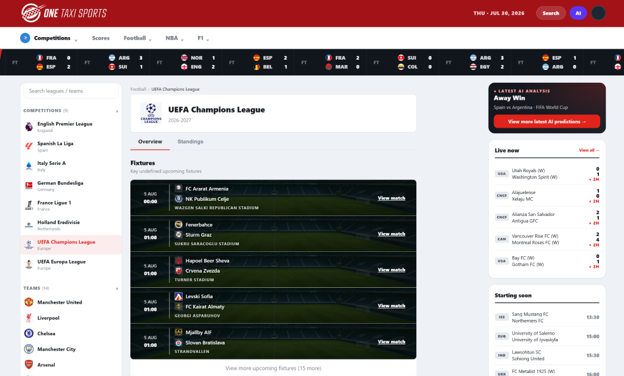
Supporters can check the latest Champions League fixtures to see upcoming matches, scheduled kick-off times and changes throughout the competition. Keep that information separate from fight planning, though. Mixing every sport into one crowded feed can make both harder to follow.
Pick the events that deserve your attention
You do not need to watch every card to remain interested in boxing or mixed martial arts. A world-title bout may matter more than a routine contest, while a regional fighter can attract attention for personal reasons. Mark the events you genuinely want, then allow the rest to sit quietly until a result or conversation brings them back.
Honestly, trying to follow everything can make a good hobby feel like unpaid administration. The schedule should help you enjoy the sport, not make you feel guilty about missing a preliminary bout.
Make Malaysian viewing times realistic
International fight cards often begin at inconvenient local hours. The problem is not only staying awake. You also need to decide whether the event fits the following morning.
Convert the advertised time carefully
Check the Malaysian start time rather than trusting a time shown for the host country. Some listings refer to the entire card, while others refer only to the main event. Those labels can look similar until an undercard takes longer than expected.
A main event may begin much later than the broadcast itself. That delay is normal in combat sports, where earlier bouts can finish quickly or run through every scheduled round. Plan with some flexibility instead of assuming the headline starts immediately.
Decide what live viewing means for you
You might stay up for a championship fight but choose highlights for an ordinary card. That is not a weaker way to follow the sport. Live viewing gives you the atmosphere and uncertainty of the moment, while a later replay lets you focus on technique without carrying tiredness into the next day.
Leave room for ordinary life
Work may begin early. A family plan may run late. The internet connection may behave perfectly until the opening round. You cannot control every interruption, so a sensible routine includes a backup option, such as recorded coverage or a reliable result page.
But do not turn preparation into another source of stress. If you miss a round, find out what changed and continue from there. A fight can hold your attention after the first bell has gone.
Follow the action without losing the detail
Fast updates are useful, but a stream of reactions can flatten the sport into a series of emotional bursts. You get more from live coverage when alerts answer practical questions and your own eyes remain involved.
Use score updates as a starting point
Boxing coverage may show round-by-round scoring, while mixed martial arts updates can highlight takedowns, control time, submissions, or significant strikes. These descriptions offer a useful outline, although they cannot always explain why a round felt close.
Later, you can watch the relevant exchange and judge the moment for yourself.
Watch the mechanics, not only the result
A clean counterpunch, a low kick that slows movement, or a successful clinch can change the direction of a contest without looking dramatic at first. You may notice a fighter cutting off the cage, protecting a damaged hand, or shifting stance after taking a hard shot.
Those details often explain a result better than a loud reaction online. Weirdly enough, the quiet adjustments can be more revealing than the knockout everyone remembers.
Build a routine that survives busy weeks
A tracking method is the one you can keep using when work, travel, or sleep gets in the way. A perfect system that you abandon quickly is not useful.
Check updates at natural moments
You might check the schedule during breakfast or before leaving for work. Familiar timing makes the habit easier to keep.
Keep alerts selective
Use notifications for confirmed start times, card changes, and final results if those details matter to you. Turn off constant commentary when it begins interrupting everything else. To be fair, not every opinion about a fight deserves immediate access to your attention.
The useful part of following combat sports is not knowing every detail before an event begins. You keep enough information nearby to choose intelligently, understand the local timing, and return to a card when the moment feels right.
And when a fight pulls you in unexpectedly, the experience can feel better because you were not buried under unnecessary alerts. You had the schedule, understood the timing, and left enough space for the contest itself to surprise you.
You will still miss events occasionally. That happens when a busy life meets a card running longer than expected. Knowing where to check next makes the missed moment feel temporary rather than confusing.
Maybe that is the sensible balance. Follow the fighters, learn the matchups, and keep an eye on the schedule without handing every bout control of the week. Some unfinished curiosity is probably part of the fun.