
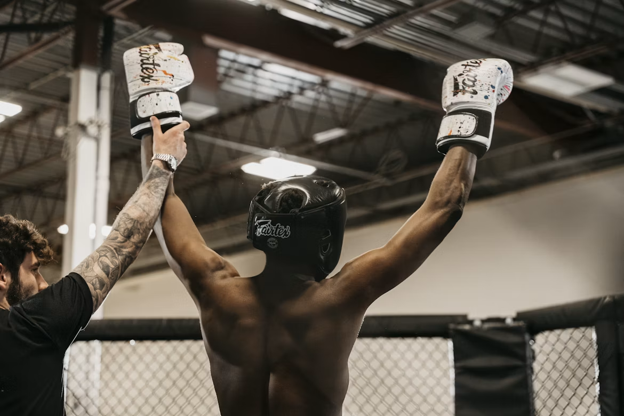
MMA demands more from the body than most sports. Fighters train across multiple disciplines, striking, grappling, wrestling, and conditioning, often in the same day. That volume of physical stress requires a recovery strategy that goes beyond nutrition and rest days.
Sleep is one of the most effective tools for recovery and performance, and even small adjustments, from maintaining a consistent schedule to using mattress protectors from Fawcett Mattress that regulate temperature overnight, can make a measurable difference.
Understanding how sleep affects the body and mind can help fighters make more informed decisions about their training and overall preparation.
Accelerating Physical Recovery Between Sessions
The body does most of its repair work during sleep. Muscle tissue damaged during training is rebuilt through protein synthesis, a process that depends heavily on growth hormone. The body releases most of its growth hormone during deep sleep, with peak output typically occurring earlier in the night.
When fighters cut sleep short or experience frequent interruptions, the release of this hormone is reduced, slowing muscle recovery.
Sleep deprivation also increases cortisol levels, a hormone associated with stress and tissue breakdown. Elevated cortisol over time can lead to chronic inflammation, delayed recovery from injuries, and a higher risk of overtraining.
For MMA athletes who train twice a day during fight camp, the recovery window between sessions is already narrow. Consistent sleep of seven to nine hours — and in some cases closer to ten — helps maintain a favorable hormonal environment for tissue repair and adaptation.
Sharpening Reaction Time and Decision-Making

Combat sports require split-second decisions. Recognizing a takedown attempt, slipping a punch, or identifying an opening for a submission all depend on cognitive processing speed. Sleep loss impairs these functions in measurable ways. Even a single night of poor sleep can slow reaction time to a degree comparable to moderate alcohol impairment.
Beyond reflexes, sleep affects working memory and executive function — the mental processes that allow a fighter to adjust strategy mid-round, manage distance, and read an opponent’s patterns. Fighters who sleep well tend to demonstrate sharper focus and more accurate timing in sparring and competition. Napping can also play a role here.
Short daytime naps of 30 to 45 minutes have been shown to improve both decision accuracy and reaction speed, particularly when nighttime sleep has been disrupted by travel or pre-fight anxiety.
Reducing the Risk of Injury During Training
MMA carries one of the highest injury rates across all sports, with roughly 24 injuries per 100 competitive bouts. While contact is inherent to the sport, fatigue from poor sleep compounds the risk. Tired muscles are slower to respond and less coordinated, which increases the likelihood of strains, joint injuries, and training accidents.
Neuromuscular coordination — the communication between the brain and muscles — degrades under sleep deprivation. This affects balance, proprioception, and the ability to absorb or redirect force during grappling exchanges.
Fighters who maintain consistent sleep schedules are better equipped to move with control and respond to unexpected positions, reducing the chance of preventable injuries.
Supporting Mental Health and Emotional Regulation
Fight preparation is mentally taxing. Weight cuts, opponent analysis, media obligations, and the pressure of competition create a sustained psychological load. Sleep plays a direct role in regulating mood and emotional stability.
Chronic sleep loss is linked to increased irritability, difficulty managing stress, and heightened anxiety — all of which can erode a fighter’s confidence and focus heading into a bout.
Sleep also supports the consolidation of motor learning. Techniques drilled during the day are reinforced during REM sleep, which means that quality rest contributes to skill retention and technical improvement over time. Fighters who prioritize sleep during camp are not just recovering physically — they are also locking in the technical work they put in on the mats.
Building a Sleep Routine That Works
Developing a consistent sleep schedule does not require a complicated system. Going to bed and waking up at the same time each day, keeping the bedroom cool and dark, limiting caffeine after early afternoon, and avoiding screens in the hour before bed are all practical steps.
For fighters traveling across time zones, strategic light exposure and short naps can help reset circadian rhythms and maintain performance on fight night.