
The UFC has promoted heated rivalries before. It has built entire pay-per-views around personal hatred, emotional instability, and the promise that two men genuinely want to hurt one another.
But, the UFC 328 press conference in Newark felt different, from the very moment it began.
At the center of the chaos stood Sean Strickland (30-7-0) and Khamzat Chimaev (15-0-0), two fighters who spent nearly the entire press conference interrupting, insulting, and daring one another to escalate things further. At the conclusion, the event eventually turned physical when Chimaev kicked Strickland during the final faceoff, forcing security to intervene as the stage descended into disorder.
This animosity has been brewing for quite awhile, and at one point during fight week, the hatred had crossed into new territory after Sean Strickland openly talked about shooting Khamzat Chimaev if a real-world confrontation escalated outside the cage. Strickland suggested he would rely on “stand your ground” laws and implied that if Chimaev and his entourage attempted to ambush him, “a lot of people” could end up hurt or dead.
Chimaev responded publicly by mocking the threats and daring Strickland to “shoot me,” while insisting that if Strickland truly wanted “a real war outside of the cage,” he “would already be dead.” The exchange immediately forced the UFC to increase security measures around both fighters, including separate hotels, added police presence, and tighter restrictions on interactions during fight week.
At the press conference on Thursday night, as expected, the hostility between Strickland and Chimaev was immediate. Before questions even began, the two were already shouting over each other, arguing about past sparring sessions, questioning each other’s toughness, and revisiting years of resentment that appear to have grown far beyond normal fight promotion. Chimaev repeatedly referred to himself as Strickland’s “daddy,” promising to dominate him physically and emotionally, while Strickland responded with personal attacks centered on Chimaev’s past, nationality, and loyalty.
Though he has claimed to not like such theatrics, at several points, UFC president Dana White appeared less interested in controlling the situation than observing it, as he was smiling from ear to ear for most of the press conference. This reminded us that while Dana White is a lot of things, he is, above all, a promoter, and this was the type of promotion that money can’t buy.
When asked where the rivalry ranked among the most heated in UFC history, White answered bluntly: “Top three all time.” That assessment did not feel exaggerated by the end of the night.
Strickland, per usual, leaned fully into confrontation, as he accused Chimaev of quitting the sport because of COVID-19, mocked his past health issues, and repeatedly framed himself as the representative of “real American masculinity.”
Usually soft-spoken and extremely calm, Chimaev responded not by de-escalating, but by matching Strickland’s aggression with his own. He repeatedly promised violence, insisting that Strickland would “cry” inside the cage and claiming he had already dominated him during previous training sessions. At one point, Chimaev declared that he had submitted Strickland “many times” in sparring and suggested that the former champion’s emotional reaction stemmed from knowing what would happen once the cage door closed.
Flyweight champion Joshua Van (16-2-0) openly laughed while attempting to answer questions, admitting he was distracted by the chaos unfolding beside him. Challenger Tatsuro Taira (18-1-0) took the opposite approach, jokingly asking fans if they wanted “respectful talk” before calmly discussing the legitimacy of Van’s title reign.
What cannot be denied is that the UFC achieved exactly what modern fight promotion is designed to create: attention. By the end of the night, clips of the confrontation flooded social media, fighters across the sport reacted publicly, and the event had transformed from a UFC title fight in New Jersey into something far larger.
During all of the drama this week, many UFC fans were instantly reminded of Connor vs Khabib and Covington vs Masvidal. Both of those rivalries did end up spilling onto the streets, leading to felony arrests, injuries, lawsuits, and everything in between. Many of those same fans have wondered aloud if this will end in the same way.
The UFC has always understood that emotional investment drives attention more effectively than rankings or statistics. Fans do not merely want competition. They want conflict.
UFC 328 suddenly has that, in abundance.
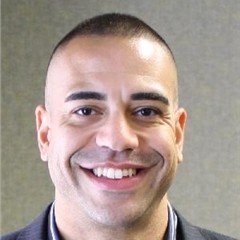
Andrew Carswell is a combat sports columnist and college writing professor, based in Las Vegas, NV, whose work examines the intersection of fighting, media, business, and culture. His commentary and analysis have been featured in various magazines, newspapers, and media outlets, including Yahoo! News, and USA TODAY. Blending journalistic insight and experience with a fan’s perspective, Carswell writes about the fight game as both a cultural phenomenon and a global business.