


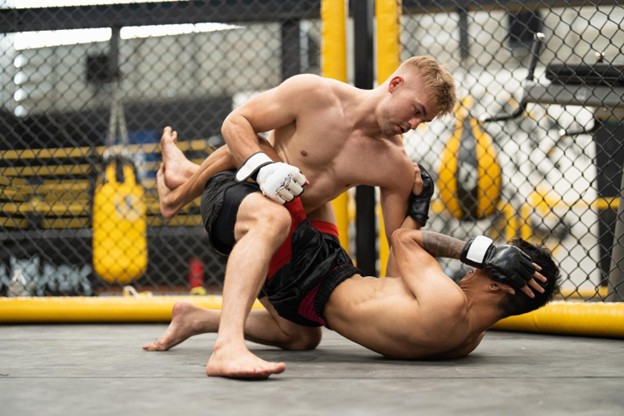
UFC Fight Night 271 lands at Climate Pledge Arena in Seattle this Saturday with a middleweight main event that nobody can agree on. Israel Adesanya, former two-time champion at 185 pounds and currently on the worst skid of his career, faces Joe Pyfer, who has knocked out nine of his 15 professional opponents and just turned 29. You can find heated arguments about this matchup on any MMA forum right now, and fans checking their 1xbet site ROI after recent fight cards already know the top five at middleweight has been reshuffled since Adesanya started losing.
Three Straight Losses and Zero Easy Answers
Adesanya’s record reads 24-5, and the five defeats did not come from soft matchups. The last three losses hurt the most since they came one after another. Strickland beat him on points over five rounds, Du Plessis submitted him in a title fight, and Imavov knocked him out with punches in the second round last February. And of course, that loss to Imavov simply couldn’t help but shift the discussion it seemed like his timing had really slipped, and it wasn’t just because facing top-level opponents. July brings his 37th birthday.
| Stat | Adesanya | Pyfer |
| Record | 24-5 | 15-3 |
| Age | 36 | 29 |
| Sig. Strikes Per Min | 4.02 | 3.47 |
| Striking Accuracy | 48% | 43% |
| Takedown Defense | 76% | 50% |
Look at the takedown defense column. Pyfer defends half the shots opponents throw at him; Adesanya stops 76%. When Pyfer can’t land the big shot early, he tends to grab for a takedown without much setup behind it, and Adesanya has spent a decade making people pay for that kind of desperation wrestling.
Pyfer’s Power Meets Its Biggest Test Yet
Nine of Pyfer’s 15 professional wins were by knockout or TKO. Remember when last October, he submitted Abus Magomedov for his third straight win? It’s when he moves up to No. 14 in the UFC middleweight rankings. That time, his 6-1 record in the promotion began with a contract from Dana White’s Contender Series. What can we say? At 29, he still has plenty of time to grow if he stays healthy.
Distance management is the glaring question mark. Pyfer’s loss to Kelvin Gastelum laid bare a limited playbook for nights when early power fails to buckle his opponent. Against Adesanya’s 80-inch reach, walking forward with heavy hands and hoping for contact could make for a long evening of leg kicks and counters landing from angles he never sees.
Opening Lines Reflect Genuine Uncertainty
Adesanya opened as a slight favorite at -135, Pyfer at +115. The line feels thin for a former two-time champion, but three consecutive losses to ranked opponents make it hard for oddsmakers to price him any higher. Round-total lines have drawn attention as well; both men carry finishing power yet have shown they can grind through championship rounds when forced to.
Co-Main and Undercard Worth Circling
Alexa Grasso and Maycee Barber first fought five years ago, and the rematch sits in the co-main event at flyweight. Grasso (16-5-1) lost her 125-pound belt to Valentina Shevchenko and has gone winless in three since. Barber (16-3) is ranked fifth and badly needs to beat someone with a title on her resume; she hasn’t had that kind of win yet.
Michael Chiesa fights Niko Price at welterweight, and the Pacific Northwest native has signaled this could be his last walk.
Down the card, Ricky Simón versus Adrian Yanez at bantamweight is the pairing hardcore fans spotted first when the card was announced.
Streaming Numbers Already Prove the Model Works
UFC Seattle airs exclusively on Paramount+, part of the seven-year, $7.7 billion deal that killed the pay-per-view model earlier this year. The platform’s debut card in January pulled nearly five million streaming views and reached over seven million households across domestic and Latin American markets.
A Paramount+ Essential subscription runs $8.99 monthly. Hardcore followers who previously spent upward of $1,000 a year on PPV alone now get every numbered event and all 30 annual Fight Nights folded into that single price. Saturday’s card marks the tenth event streamed on the platform since January, and Fight Night cards that used to function as filler programming between the real draws are pulling audiences that rival what mid-tier title fights managed two years ago.