


March does not ease you into the year. It throws you straight into rematches with history attached, former champions fighting to stay relevant and contenders trying to force the rankings to move. From Las Vegas to London and Seattle, this month carries consequences.
The headline belongs to a fight ten years in the making. But the real story runs deeper than one rematch. It runs through divisional crossroads, market signals and the subtle tension between legacy and momentum.
Holloway vs Oliveira 2: History, Reach and a Market That Respects Both
When UFC 326: Holloway vs. Oliveira 2 lands at T-Mobile Arena on March 7, it carries unfinished business.
Max Holloway stopped Charles Oliveira in under two minutes back in 2015 after Oliveira cited a freak neck injury. It was abrupt and unsatisfying. A decade later both men return as former champions at lightweight, each with scars and a far deeper résumé.
Holloway, now 27-8, comes in at 33 years old with the symbolic BMF designation and a unanimous decision win over Dustin Poirier in Poirier’s farewell fight. He remains one of the sport’s great volume strikers, a fighter who builds rounds through pressure, conditioning and pace rather than single moments.
Oliveira, 36-11 with one no contest, has taken the longer route. His 11-fight unbeaten streak between 2018 and 2022 included a lightweight title run and some of the most violent finishing sequences the division has seen. More recently he was knocked out by Ilia Topuria, then steadied himself with a submission win over Mateusz Gamrot in Brazil. That ability to rebound matters.
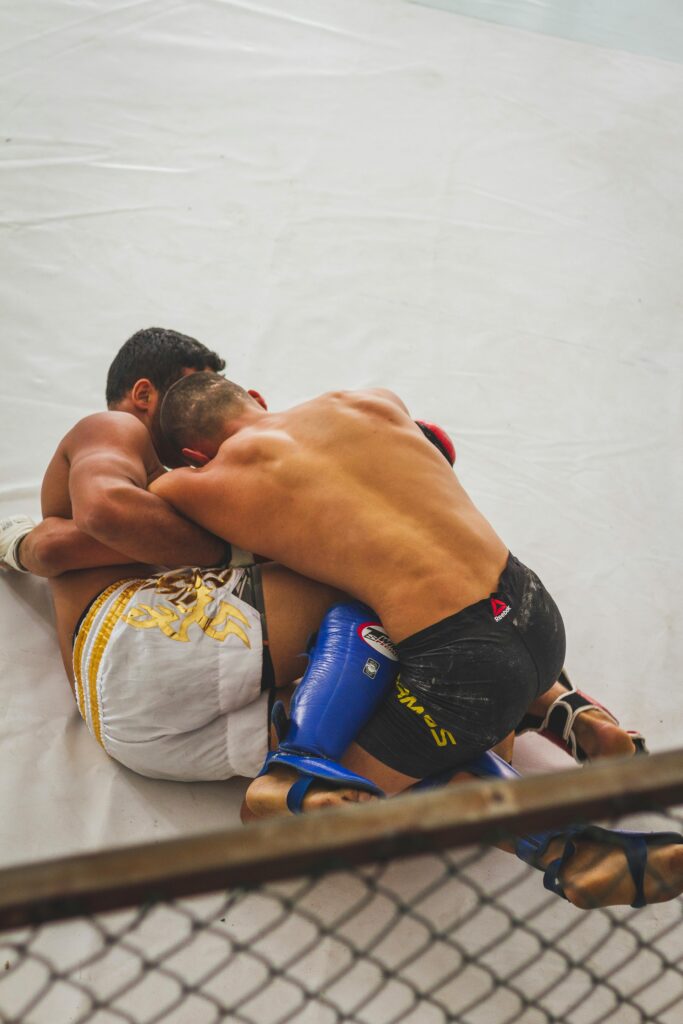
Physically, this is not what many expect. Holloway stands 5-foot-11 with a 69-inch reach. Oliveira is 5-foot-10 but owns a 74-inch reach. That five-inch edge could alter distance management in a way their first meeting never allowed. Holloway thrives when he can layer combinations. Oliveira is dangerous when exchanges break structure and scrambles develop.
The betting line reflects the balance. Holloway sits around -175, with Oliveira near +150. The market leans toward Holloway’s cardio, durability and round-winning consistency, but it does not dismiss Oliveira’s finishing upside. At +150, you are backing volatility. At -175, you are backing control.
Why Line Shopping Matters in a Main Event Rematch
For bettors in regulated markets like Ontario, the market itself becomes part of the analysis rather than an afterthought. That is where a list of sportsbooks available in Ontario reviewed here becomes useful, as this guide compares licensed operators within the iGaming Ontario ecosystem and explains how platforms differ in day-to-day use. It lays out what is permitted, how pricing varies and why line shopping carries weight in a week where a main event can open one way, drift after media obligations and weigh-ins, then tighten again before fight night. In a matchup like this, where one takedown sequence or early knockdown can flip momentum, the number you secure often matters as much as the side you choose.
Back inside the Octagon, this rematch is no longer about an injury. It is about positioning at lightweight and whether Holloway’s current chapter carries real divisional weight. The odds suggest structure. Oliveira’s history suggests chaos. That tension is what makes this a worthy headliner.
Adesanya vs Pyfer: A Champion as the Underdog
Three weeks later, the narrative shifts when UFC Fight Night: Adesanya vs. Pyfer headlines in Seattle.
Israel Adesanya, 24-5, once dictated the rhythm of the middleweight division. Since arriving in 2018 he has headlined almost every appearance and tied Anderson Silva for the most knockdowns in divisional history with 13. His knockout of Alex Pereira at UFC 287 remains one of the defining moments of his era.
But this version of Adesanya arrives after a three-fight slide and just one win in his last five outings. At 36, the questions are no longer theoretical. Has the timing slipped? Does the reaction speed hold up against younger power?
Joe Pyfer is built to test exactly that. At 15-3, he has finished six of his seven UFC wins and averages 1.2 knockdowns per 15 minutes, fourth among active middleweights. He has shown he can adjust too. After dropping his first main event to Jack Hermansson, Pyfer steadied his trajectory. He flattened Marc-André Barriault, outworked Kelvin Gastelum over three rounds and later forced Abus Magomedov to tap. The sequence re-established his finishing threat and showed he could win beyond pure power.
Adesanya still owns the physical advantages. He stands 6-foot-4 with an 80-inch reach and a 44.5-inch leg reach. Pyfer measures 6-foot-2 with a 75-inch reach. If this becomes a clean striking contest fought at range, Adesanya’s geometry and patience are dangerous.
When the Market Questions Legacy
The market sees something tighter. Pyfer has opened around -120, with Adesanya near +110. For the first time in years, the former champion is the underdog. That price implies belief in momentum and finishing rate over legacy.
If Pyfer wins decisively, the middleweight division tilts toward its next generation. If Adesanya controls five rounds, the decline narrative pauses. March rarely offers gentle resets. This fight feels like a fork in the road.
London’s Technical Featherweight Test
On March 21, UFC Fight Night: Evloev vs. Murphy brings a different kind of tension to the O2 Arena.
Movsar Evloev remains unbeaten and unapologetically methodical. He chains wrestling attempts, controls space and builds rounds rather than chasing highlights. It is not always dramatic but it is effective.
Lerone Murphy offers contrast. Fighting at home, he blends sharp boxing with composure under pressure. His defensive grappling has improved steadily, which matters against someone who lives off positional dominance.
The betting line reflects that stylistic dynamic. Evloev has opened around -250, with Murphy near +200, a spread that respects the Russian’s control and unbeaten résumé while acknowledging Murphy’s finishing upside and home crowd energy.
This is a contender’s fight in the purest sense. It may not dominate headlines, but it could reshape the featherweight queue by summer. Wrestler versus counter striker often produces tight lines and sharper betting angles. The public gravitates toward flash. The tape sometimes points elsewhere.
PFL’s March Stakes: Madrid and Pittsburgh
Beyond the UFC spotlight, March also features meaningful PFL action.
PFL Madrid: Van Steenis vs. Edwards 2 adds a European layer and a rematch dynamic that carries tournament implications. In PFL’s structure, finishes and dominance affect more than reputation. They affect advancement.
One week later, PFL Pittsburgh: Eblen vs. Battle brings a middleweight clash with seeding consequences. Johnny Eblen has built a reputation on wrestling strength and steady control. In tournament settings, that reliability can be as valuable as spectacular knockouts.
Different format, different incentives. Fighters balance aggression with progression, and you find yourself weighing finish probability against strategic caution.
A Month That Moves Divisions
Even cards that receive less attention, like UFC Fight Night: Emmett vs. Vallejos, shape the background noise of their divisions. Veteran power punchers remain dangerous in three-round formats, where a single exchange can override pacing narratives.
None of March’s headliners currently sit inside the sport’s top pound-for-pound tier. That detail adds urgency to the calendar. These are not title defenses from entrenched kings. They are fights about re-entry and ascent.
Taken together, March 2026 is not just busy. It is directional. Lightweight clarifies through a long-awaited rematch. Middleweight tests its former king. Featherweight inches toward another eliminator. PFL continues to build parallel legitimacy through structure and stakes.
The odds tell one story. The tape tells another. Somewhere between the two is where this month will be decided.